





Makaibari Slopes – An In-Depth Travel and Cultural Guide to Darjeeling’s Living Tea Landscape
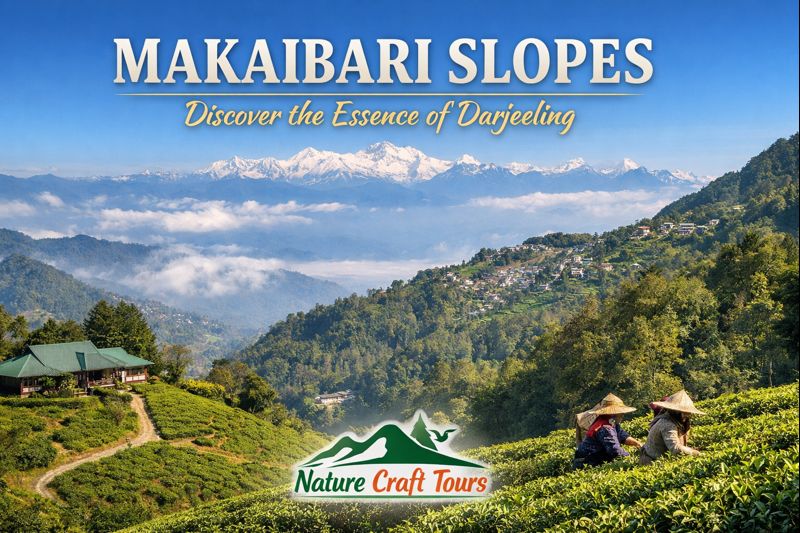
Nestled on the southern slopes of the Darjeeling Himalayan foothills, the Makaibari slopes represent one of the most historically rich, ecologically sensitive, and culturally layered landscapes of North Bengal. Known globally for the legendary Makaibari Tea Estate, this region extends far beyond tea gardens alone. It is a living mosaic of forested ridges, colonial-era pathways, indigenous villages, organic farming traditions, and panoramic Himalayan viewpoints. For travelers seeking offbeat experiences beyond conventional Darjeeling sightseeing, the Makaibari slopes offer an immersive journey into nature, history, and community-based living.
Unlike heavily commercialized hill stations, the Makaibari slopes maintain a quiet dignity shaped by over 150 years of tea cultivation, conservation ethics, and sustainable livelihood practices. The terrain gently descends from Kurseong toward the Balason River valley, creating a succession of rolling hills, shaded trails, and mist-laden clearings that feel timeless. This guide explores the Makaibari slopes in depth—covering geographical context, attractions, cultural significance, access routes, distances, accommodation options, and ideal travel seasons.
Geographical Setting and Landscape Character
The Makaibari slopes are located near Kurseong, approximately midway between Siliguri and Darjeeling town. Geographically, the area lies within the Lesser Himalayan belt, with elevations ranging between 3,500 and 6,000 feet above sea level. These altitudes create a temperate climate ideally suited for high-quality tea cultivation, as well as mixed broadleaf and subtropical forest growth.
The landscape is defined by undulating slopes rather than steep cliffs, making the region suitable for walking trails, plantation paths, and village routes. Ancient oak, chestnut, alder, and bamboo groves interweave with manicured tea sections, while streams originating from forest springs cut through the terrain. On clear days, portions of the slopes provide distant views of the eastern Himalayan snow ranges, particularly during winter and early spring.
Historical Importance of the Makaibari Region
Makaibari is one of the oldest tea estates in Darjeeling, established in the mid-19th century during the early phase of British tea experimentation in India. Over time, the estate evolved into a global reference point for organic and biodynamic tea cultivation. The surrounding slopes absorbed this heritage, becoming home to generations of tea workers, indigenous Lepcha families, and Nepali-speaking hill communities.
The region is historically significant not only for tea but also for its pioneering role in community-based environmental stewardship. Long before sustainability became a global conversation, Makaibari adopted forest preservation, rainwater harvesting, and traditional agricultural practices. These values continue to shape the daily life and visitor experience across the slopes.
Key Places and Experiences to Explore
Makaibari Tea Estate Trails
Walking through the tea trails of Makaibari is a primary highlight. The paths follow natural contours of the slopes, passing through tea bushes, shade trees, and workers’ hamlets. Visitors can observe organic tea cultivation methods, seasonal plucking cycles, and traditional leaf-handling practices. Early morning walks are particularly atmospheric, with mist drifting through the plantations and birdsong echoing across the hills.
Indigenous Villages and Cultural Hamlets
Scattered across the slopes are small settlements inhabited by Lepcha, Limboo, Rai, and Nepali communities. These villages retain traditional wooden architecture, terraced kitchen gardens, and communal spaces. Cultural interaction—when done respectfully—offers insight into local food habits, folklore, seasonal festivals, and agricultural rhythms tied closely to the land.
Forest Patches and Biodiversity Zones
Large sections of the Makaibari slopes are preserved under mixed forest cover. These zones host diverse bird species, butterflies, orchids, medicinal plants, and small mammals. Nature enthusiasts often find this area rewarding for slow exploration, photography, and ecological observation without disturbing wildlife.
Viewpoints and Ridge Clearings
Several natural clearings along the slopes provide expansive views of the Balason valley, Kurseong town, and distant ridgelines. These viewpoints are best experienced during early mornings or late afternoons, when light conditions enhance the layered contours of the hills.
How to Reach the Makaibari Slopes
Reaching the Makaibari slopes is relatively convenient due to their proximity to Kurseong and Siliguri, yet the final approach retains a peaceful, off-the-road feel.
By Air
The nearest airport is Bagdogra Airport, located approximately 45 kilometers away. From Bagdogra, travelers can hire private vehicles or shared taxis to Kurseong, followed by a short drive toward the Makaibari area.
By Rail
New Jalpaiguri Railway Station serves as the primary rail gateway, situated around 50 kilometers from Makaibari. From NJP, road transport via Hill Cart Road or Rohini Road leads to Kurseong and onward to the slopes.
By Road
The Makaibari slopes are accessible by road from Siliguri via NH-110. Kurseong town lies roughly 30 kilometers from Siliguri, and Makaibari is located a few kilometers beyond Kurseong, depending on the specific access point or accommodation.
Major Distance Chart (Approximate)
- Siliguri to Makaibari Slopes: 30–35 km
- Bagdogra Airport to Makaibari Slopes: 45 km
- New Jalpaiguri Station to Makaibari Slopes: 50 km
- Kurseong Town to Makaibari Slopes: 3–6 km
- Darjeeling Town to Makaibari Slopes: 30–32 km
Staying Options Around Makaibari Slopes
Accommodation in and around the Makaibari slopes focuses on experiential stays rather than conventional hotels. These properties emphasize sustainability, cultural immersion, and nature-centric living.
Heritage Tea Bungalows
Colonial-era tea bungalows offer serene stays amid plantations and forests. These properties often retain traditional architecture, fireplaces, and expansive verandas overlooking tea gardens.
Eco Lodges and Forest Retreats
Eco-friendly lodges built with local materials provide comfortable accommodation while minimizing environmental impact. Such stays are ideal for travelers interested in slow travel, birdwatching, and wellness-focused experiences.
Village Homestays
Homestays in nearby villages offer authentic cultural exposure, home-cooked meals, and participation in daily rural life. These stays support local livelihoods and are well-suited for responsible travelers.
Best Time to Visit Makaibari Slopes
The Makaibari slopes are accessible throughout the year, though each season offers distinct experiences.
Spring (March to May)
Spring brings blooming flora, pleasant temperatures, and clear views. This is an excellent time for walking trails and photography.
Monsoon (June to September)
The slopes turn lush green during monsoon, with dramatic cloud movements and refreshed landscapes. Travelers should be mindful of road conditions and occasional landslides.
Autumn (October to November)
Autumn offers stable weather, crisp air, and enhanced visibility. It is one of the most favorable seasons for visiting the region.
Winter (December to February)
Winters are cool and quiet, ideal for those seeking solitude. Mornings may be misty, while afternoons remain clear and calm.
Travelers exploring Eastern India’s diverse nature circuits often pair hill destinations with forest and delta experiences. For curated itineraries covering wetlands and wildlife landscapes, consider exploring options related to Sundarban Tour, which complement Himalayan journeys through contrasting ecosystems.
Responsible Travel and Conservation Ethics
The Makaibari slopes are deeply rooted in environmental consciousness. Visitors are encouraged to minimize plastic use, respect community norms, and follow designated paths. Photography should be conducted sensitively, particularly within villages and sacred spaces.
Supporting locally managed stays, guides, and food systems ensures that tourism contributes positively to conservation and community well-being. Those interested in broader sustainable travel models across Bengal may also explore responsible Sundarban Travel initiatives that emphasize ecological balance.
Why Makaibari Slopes Deserve Slow Exploration
The Makaibari slopes are not a destination for hurried sightseeing. They invite travelers to slow down, walk gently, listen to forest sounds, and observe life shaped by nature and tradition. From historic tea trails and forested ridges to village kitchens and mist-filled mornings, the region offers a holistic travel experience grounded in authenticity.
For those seeking an alternative to crowded hill stations, the Makaibari slopes stand as a refined yet understated destination—one where landscape, culture, and sustainability coexist in quiet harmony. Visiting this region is not merely a journey through geography, but an exploration of values that have endured across generations.