
Neora Valley Fringe Hamlets – A Deep Travel Narrative from the Edge of Eastern Himalaya
Hidden quietly along the outer folds of the Eastern Himalaya, the Neora Valley fringe hamlets represent a rare geographic and cultural threshold—where dense subtropical forests slowly give way to alpine ecosystems, and traditional mountain life continues in intimate harmony with nature. Unlike popular hill stations shaped by mass tourism, these settlements exist at the periphery of the Neora Valley National Park, one of India’s most ecologically intact forest reserves.
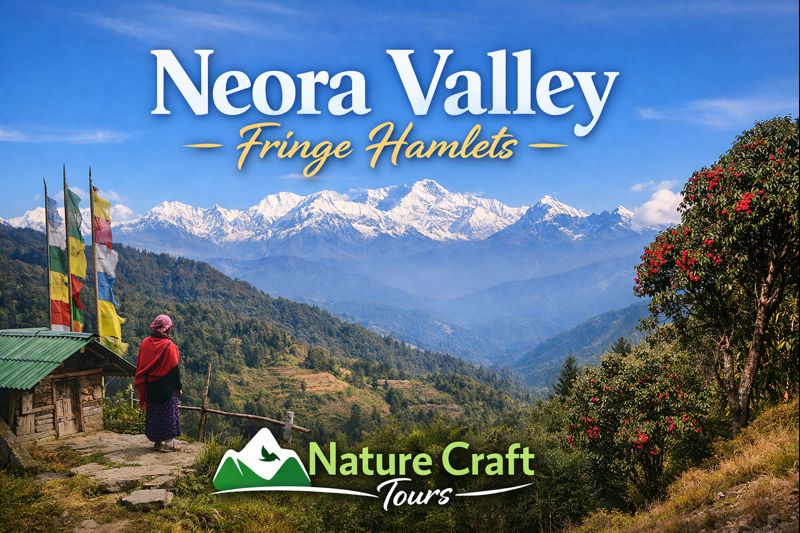
The fringe hamlets are not defined by a single village name. Instead, they are a constellation of forest-edge settlements—Kolakham, Changey, Chhota Mangwa forest-side pockets, Lava outskirts, upper ridges near Pedong, and isolated ridgeline communities that share proximity to the Neora watershed. Each hamlet reflects a lifestyle shaped by altitude, climate, forest dependency, and generations of ecological knowledge.
Geographical Significance and Ecological Context
The Neora Valley ecosystem spans altitudes ranging from approximately 300 meters to over 3,200 meters above sea level. The fringe hamlets typically lie between 1,200 and 2,200 meters, forming a crucial buffer zone between human habitation and protected forest. This region acts as a biodiversity corridor connecting Sikkim, Bhutan, and North Bengal.
These settlements are surrounded by mixed broadleaf forests, temperate oak belts, bamboo groves, and high-altitude rhododendron zones. The area is internationally recognized for its bird diversity, including rare species such as the Rufous-necked Hornbill, Satyr Tragopan, and various Himalayan flycatchers. The forest also shelters clouded leopards, red pandas, Himalayan black bears, and several endemic amphibian species.
Why Fringe Hamlets Matter Ecologically
From a conservation perspective, these hamlets are critical. Local communities function as informal custodians of the forest. Traditional farming methods, seasonal forest use, and sacred groves contribute to ecological balance. Unlike core protected areas, fringe zones allow sustainable coexistence between humans and wilderness.
Cultural Landscape and Local Life
The population of Neora Valley fringe hamlets consists mainly of Lepcha, Bhutia, Tamang, Rai, and Nepali communities. Cultural life here is deeply seasonal—aligned with sowing cycles, forest flowering periods, and religious festivals tied to nature worship.
Homes are typically built using stone, timber, and corrugated sheets, designed to withstand heavy rainfall and cold winters. Hearth-based kitchens, prayer flags, and small kitchen gardens reflect a life of self-sufficiency rather than commercial dependency.
Food, Farming, and Forest Dependency
Agriculture is mostly rain-fed and subsistence-based. Cardamom, maize, millet, ginger, seasonal vegetables, and medicinal herbs dominate local cultivation. Foraging for wild edibles, mushrooms, and forest greens remains common, guided by generational knowledge rather than written manuals.
Important Places and Experiences Around the Fringe Hamlets
Forest Trails and River Catchments
Short forest walks around the hamlets lead to moss-laden trees, hidden springs, and streams that feed the Neora River system. These trails are not marked tourist routes but community paths used for decades. Walking here offers intimate encounters with birds, butterflies, and rare orchids.
Viewpoints and Ridge Lines
Several natural ridges provide panoramic views of the Kanchenjunga range on clear mornings. Unlike crowded viewpoints, these locations are quiet, often shared only with grazing cattle or prayer flags fluttering in the wind.
Village Monasteries and Sacred Forests
Small monasteries and animistic sacred sites form the spiritual backbone of these settlements. Forest patches are often protected due to religious beliefs, inadvertently conserving biodiversity hotspots within human landscapes.
How to Reach Neora Valley Fringe Hamlets
Nearest Railheads and Airports
The nearest major rail stations are New Jalpaiguri (NJP) and Siliguri Junction. Bagdogra Airport serves as the closest air connection. From Siliguri, the journey transitions from plains to steep mountain roads, gradually revealing dense forest landscapes.
Road Connectivity
Most fringe hamlets are accessed via Kalimpong district roads. Routes typically pass through Kalimpong town, Lava, Pedong, or Algarah depending on the chosen settlement. Final stretches often involve narrow, winding roads suitable only for small vehicles.
Travelers combining Eastern India nature circuits often explore contrasting ecosystems such as mangrove forests and Himalayan woodlands. Those interested in lowland wilderness experiences may also explore options like a curated Sundarban Tour, offering a distinct yet complementary ecological narrative.
Major Distances (Approximate)
- Siliguri to Lava outskirts: 110–120 km
- Kalimpong to fringe hamlets: 25–45 km (depending on location)
- Bagdogra Airport to forest-edge villages: 125–140 km
- Kalimpong to Neora Valley forest entry zones: 30–35 km
Staying Options in the Fringe Hamlets
Accommodation in Neora Valley fringe hamlets remains intentionally minimal. The emphasis is on homestays and small eco-lodges rather than conventional hotels. These properties are usually family-run, offering basic but clean rooms, home-cooked meals, and personalized hospitality.
Types of Properties Available
- Traditional village homestays with mountain views
- Forest-edge eco-cottages built using sustainable materials
- Small lodges catering to birdwatchers and researchers
Electricity availability may vary during monsoons, and mobile connectivity is limited in certain pockets—factors that enhance the sense of digital detachment many travelers seek.
Best Time to Visit Neora Valley Fringe Hamlets
Spring (March to May)
Spring transforms the forest with blooming rhododendrons, orchids, and active birdlife. Temperatures remain moderate, making it ideal for nature walks and photography.
Monsoon (June to September)
The region receives heavy rainfall, enriching forest density and waterfalls. While landslides may affect travel, monsoon offers unmatched greenery and solitude for experienced travelers.
Autumn (October to November)
This is considered the most balanced season—clear mountain views, stable weather, and festive village life following harvest periods.
Winter (December to February)
Winters are cold, especially at higher altitudes, with occasional frost. However, crisp air and unobstructed Himalayan views attract slow travelers and writers seeking isolation.
Responsible Travel and Conservation Ethics
Visiting Neora Valley fringe hamlets requires sensitivity toward fragile ecosystems and local customs. Waste management, controlled water use, and respect for wildlife corridors are essential. Travelers are encouraged to rely on local guides and community-run accommodations.
Those who appreciate nature-led travel across India often explore diverse habitats—from Himalayan forests to deltaic mangroves. Carefully planned journeys such as a customized Sundarban Travel experience can complement highland explorations by offering insight into another globally significant ecosystem.
Why Neora Valley Fringe Hamlets Deserve Attention
These hamlets are not destinations for hurried sightseeing. They represent a slow geography—where silence carries meaning, forests dictate rhythm, and human presence remains secondary to ecological continuity. For travelers seeking authenticity, biodiversity, and cultural depth beyond curated tourism zones, the fringe settlements of Neora Valley offer a rare and enduring travel experience.