



Ecological Foundations of the Sundarban Mangrove Forest:
A Traveler’s Field-Based Explanation
Understanding the Sundarban mangrove forest requires more than a surface-level appreciation of its wildlife or scenic waterways. For travelers who wish to truly comprehend this landscape, the Sundarbans must be approached as a living ecological system shaped by tides, sediment, salinity, and human adaptation. This article explains the ecological foundations of the Sundarban mangrove forest in a manner accessible to travelers, yet grounded in field observation and environmental research. The intention is not to simplify the Sundarbans, but to reveal how its ecological processes define every journey taken through its creeks, islands, and forests.
Understanding the Geographic and Ecological Setting of the Sundarbans
The Sundarbans form the world’s largest contiguous mangrove ecosystem, spread across the delta of the Ganges, Brahmaputra, and Meghna river systems. This deltaic landscape spans southern West Bengal in India and southwestern Bangladesh, where freshwater rivers meet the saline waters of the Bay of Bengal. Unlike terrestrial forests, the Sundarbans exist at the interface of land and sea, making them one of the most ecologically complex regions on Earth.
For travelers arriving from Kolkata, the transformation is gradual but profound. Urban density gives way to agricultural plains, which then dissolve into waterways where land appears temporary and mutable. This transition is not merely visual; it reflects a shift in ecological rules. In the Sundarbans, tidal cycles dictate daily rhythms, soil chemistry determines vegetation, and wildlife behavior adapts to aquatic dominance.
The Mangrove Forest as an Ecological System
Tidal Influence and Salinity Gradients
At the heart of the Sundarban ecosystem lies the tide. Twice daily, seawater flows inland through an intricate network of rivers and creeks, bringing salt, nutrients, and sediments. As tides retreat, freshwater from upstream rivers dilutes salinity levels. This constant fluctuation creates salinity gradients that vary not only seasonally, but from creek to creek.
Mangrove species are distributed according to these gradients. Salt-tolerant trees dominate coastal zones, while mixed mangrove species thrive further inland. For travelers on boat safaris, subtle changes in vegetation along riverbanks often indicate shifts in salinity rather than distance traveled.
Sediment Deposition and Land Formation
The Sundarbans are geologically young. Islands form, erode, and reform through sediment deposition carried by Himalayan rivers. These sediments settle during slack tides, slowly building mudflats that are later colonized by pioneer mangrove species. Over decades, these fragile mudflats evolve into forested islands capable of supporting wildlife and human settlement.
This dynamic land formation explains why maps of the Sundarbans require constant updating. Travelers should understand that the forest they explore today may not exist in the same form a century from now.
Mangrove Adaptations: Survival in Extreme Conditions
Root Structures and Oxygen Intake
Mangrove trees survive in oxygen-poor, waterlogged soils through specialized root systems. Pneumatophores—vertical, pencil-like roots—emerge from the mud to absorb oxygen during low tide. Stilt roots provide structural stability against tides and storms. These features are often mistaken by travelers as aesthetic curiosities, but they represent critical evolutionary adaptations.
Salt Regulation Mechanisms
Different mangrove species employ distinct strategies to manage salinity. Some filter salt at the root level, while others excrete excess salt through specialized leaf glands. Observant travelers may notice salt crystals forming on leaves during dry seasons, a visible reminder of the forest’s constant negotiation with the sea.
Wildlife Ecology of the Sundarban Mangroves
The Sundarbans support a complex food web that begins with mangrove leaf litter and extends to apex predators. Decomposing leaves enrich detritus-based food chains, sustaining plankton, crustaceans, fish, and larger vertebrates.
Iconic Species and Ecological Roles
The forest is internationally known for the :contentReference[oaicite:2]{index=2}, yet the tiger represents only one component of a larger ecological network. Estuarine crocodiles regulate fish populations, spotted deer influence vegetation through grazing, and mudskippers aerate sediments through burrowing.
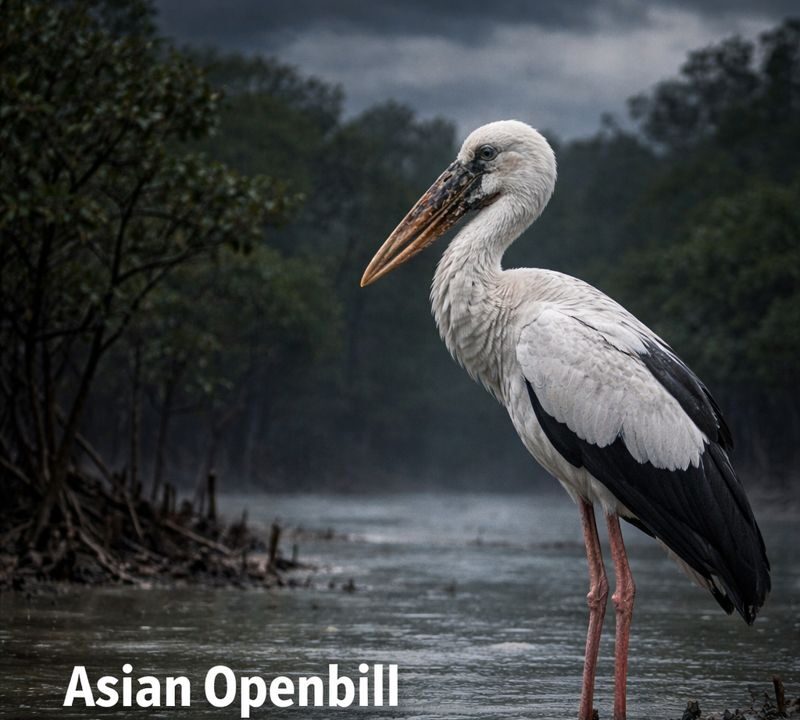
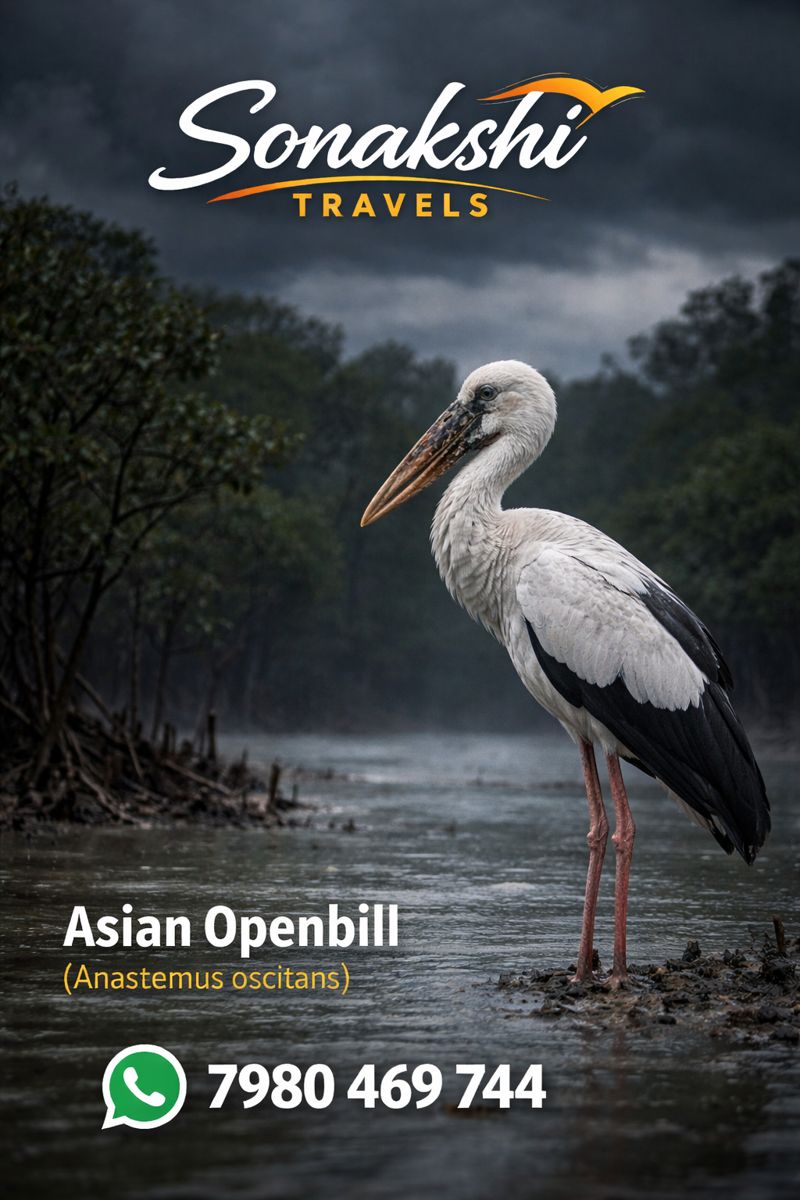
Birdlife, including kingfishers, herons, and migratory waders, reflects the productivity of tidal wetlands. Seasonal variations in bird presence often align with fish spawning cycles and monsoon-driven nutrient flows.
Human Adaptation Within the Mangrove Ecology
Traditional Livelihoods and Environmental Knowledge
Communities living on the fringes of the Sundarbans have adapted livelihoods around ecological constraints. Fishing, honey collection, crab harvesting, and subsistence farming are timed with tidal calendars and seasonal cycles. Traditional knowledge, passed orally across generations, often reflects a deeper ecological understanding than formal scientific descriptions.
Travelers engaging with local communities will notice how housing styles, crop choices, and even daily routines are shaped by salinity, flooding, and wildlife movement.
Cultural Beliefs and the Forest
The Sundarbans have given rise to unique cultural expressions centered on respect and caution toward nature. Folklore surrounding forest deities reflects collective memory of environmental hazards and survival strategies. These narratives form an intangible cultural layer that complements the region’s ecological identity.
Seasonal Ecology and Travel Planning
Best Time to Experience Ecological Diversity
The ideal season to explore the Sundarbans extends from October to March, when humidity is moderate and river conditions are stable. During this period, wildlife activity increases and visibility improves. Monsoon months, while ecologically significant due to nutrient influx, present logistical challenges for travelers.
Ideal Travel Duration
A minimum of two to three days allows travelers to observe ecological variations across multiple habitats. Shorter visits provide only a snapshot of the forest’s complexity. Those with limited time often opt for a Sundarban Single Day Package, which offers a concise introduction but limited ecological depth.
Route, Accessibility, and Ecological Transition
Travel to the Sundarbans typically begins from Kolkata, progressing through road networks to river ports before entering the forest by boat. This layered journey mirrors ecological transitions from urban environments to agricultural zones and finally to tidal wilderness.
Many travelers begin their planning through resources such as Sundarban Travel, which outlines logistical routes and regional access points without diminishing the experiential value of the journey.
Key Ecological Highlights for Travelers
Tidal Creeks and Estuarine Confluences
Narrow creeks reveal intimate ecological interactions between water flow, sediment, and vegetation. Confluences where multiple rivers meet often host increased fish activity, attracting birds and predators alike.
Mangrove Canopies and Mudflats
Mudflats exposed during low tide are rich feeding grounds for migratory birds and crustaceans. Observing these zones offers insight into nutrient cycling within the ecosystem.
Ecological Events and Seasonal Festivals
Certain cultural events coincide with ecological cycles. The Sundarban Hilsa Festival 2026 reflects the seasonal arrival of hilsa fish, a phenomenon driven by river salinity and spawning patterns.
Luxury Travel and Low-Impact Exploration
For travelers seeking comfort without compromising ecological sensitivity, curated experiences such as a Sundarban Luxury Tour allow controlled access to fragile zones while maintaining minimal environmental disturbance.
Practical Ecological Insights for Responsible Travelers
Visitors should approach the Sundarbans with patience and awareness. Wildlife sightings depend on ecological rhythms rather than schedules. Silence, observation, and respect for local guidelines enhance both safety and understanding.
Travelers interested in broader regional exploration often expand their understanding through comprehensive itineraries such as a Sundarban Tour, which integrates ecological education with field experience.
Reading the Sundarbans as a Living System
The Sundarban mangrove forest is not merely a destination; it is a continuously evolving ecological system. For travelers willing to look beyond surface impressions, the forest reveals lessons about resilience, adaptation, and coexistence. Understanding its ecological foundations transforms travel into informed observation, ensuring that each journey through the Sundarbans is both meaningful and respectful of one of Earth’s most remarkable environments.