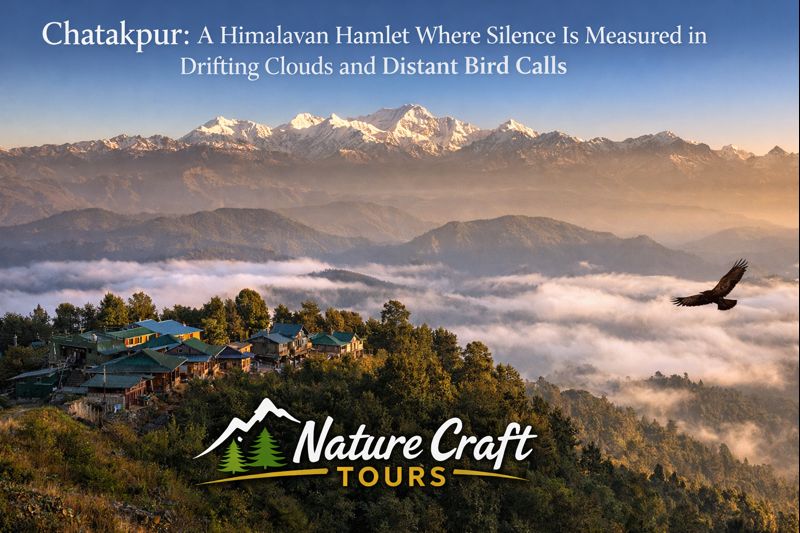




Latpanchar: A Quiet Himalayan Ridge Where Forests, Clouds, and Distant Peaks Exist in Perfect Balance

Latpanchar is a quiet Himalayan ridge where forests, clouds, and distant peaks exist in perfect balance. The balance here is not dramatic or staged; it is steady, ecological, and deeply reassuring. In many mountain destinations, the first impression is created by crowds, traffic, or an over-scheduled list of attractions. Latpanchar works differently. It asks you to arrive with time, to walk a little, to listen a lot, and to accept that the mountains reveal themselves only when light and cloud allow them. When the skies open, distant Himalayan lines appear with a calm authority; when mist returns, the forests become the main story—pine needles underfoot, damp bark, and the soft hush that follows a passing cloud.
Latpanchar is positioned in the Darjeeling hills of North Bengal, an elevation that feels distinctly Himalayan without becoming harsh. Because it stands above the plains, the ridge offers wide horizons; because it is surrounded by forest, the air carries a resinous freshness that settles the mind. The most meaningful experiences here are often the simplest: a slow sunrise, an afternoon of bird calls, a ridge-walk where the view changes every few steps, and a night sky that feels closer because artificial light remains limited. This is a destination for travelers who prefer atmosphere over applause and who understand that remoteness is not measured only by distance, but also by the absence of distraction.
Where Latpanchar Sits on the Map
Latpanchar lies in the Darjeeling district of West Bengal, perched above the Teesta valley corridor and the plains beyond. The ridge landscape creates a natural balcony: to one side, layered forest and hill contours; to the other, open sky and distant lines that, on clear days, may include the great Himalayan peaks. The village is part of the broader Kalimpong–Darjeeling hill region, but it remains quieter than the better-known hubs. That quietness is not accidental. The terrain here does not encourage large commercial markets or rapid construction; the road access is real, yet still narrow and winding enough to keep mass tourism from arriving all at once.
Elevation in Latpanchar is often described as “comfortable Himalayan.” Days feel mild for much of the year, and evenings can be pleasantly cool, sometimes sharply cool in winter. The ridge is wrapped in a mosaic of forest types, and this ecological diversity is part of what makes the place special. The villages of the Darjeeling hills are often defined by tea, trade, or religious circuits. Latpanchar is defined primarily by landscape—its forest edges, its viewpoints, and its cloud patterns.
A Destination Overview: What Latpanchar Actually Feels Like
The personality of Latpanchar is shaped by three forces: forest, weather, and horizon. Forests occupy the foreground in nearly every direction—pine stands, mixed broadleaf sections, and seasonal flowering trees that add color in specific months. Weather acts like an editor, constantly rewriting the scene. Morning may begin with clear blue and distant peaks; within an hour the ridge can be submerged in white mist; later the mist may lift again, revealing the same viewpoint as if it were new. The horizon is the last layer: the distant plains, the valley depth, and, when visibility is generous, the far Himalayan skyline.
Latpanchar is not built around shopping streets, amusement points, or loud nightlife. It is built around pauses. A day can feel complete with a short ridge-walk, a long view, and a quiet meal. This is why Latpanchar pairs naturally with slow travel and offbeat itineraries. If you are building a hill circuit that prioritizes nature and local rhythms, the Offbeat Darjeeling Latpanchar Tour Package becomes a relevant reference point in the broader landscape of Darjeeling’s lesser-known ridges and villages.
Ecology and Birdlife: Why the Forest Matters Here
Latpanchar’s forest setting is more than a scenic background; it is the village’s defining resource. The ridge sits in a zone where different forest compositions overlap, and that overlap supports a rich bird community. Even without specialized equipment, visitors notice the density of sound: repeated calls, quick wingbeats, and the quiet movement of small birds through branches. For travelers with a deeper interest in natural history, Latpanchar can be approached as a field site—an accessible Himalayan edge where forest health can be observed through birds, insects, and seasonal plant cycles.
Because forests moderate temperature and moisture, Latpanchar’s microclimate stays comparatively gentle. Mist collects, dew forms, and the ground holds moisture longer than exposed slopes. This influences everything from the comfort of a morning walk to the timing of photography sessions. The most responsible way to experience this ecology is to treat the forest as a living system rather than a backdrop. Walk quietly, keep distance from nesting or feeding areas, and avoid loud playback of bird calls. These small choices preserve the very stillness that draws travelers here.
Seasonal Changes You Can Actually Observe
Latpanchar rewards attention across seasons. In spring, the hills often look freshly rinsed, and flowering trees may add sudden color. In monsoon, cloud becomes the main character, and the forest’s scent deepens; trails can be slippery, but the ridge feels most alive. In autumn, visibility improves, and long-distance views become more frequent. In winter, mornings can be crisp, with a quieter atmosphere that suits early walks and panoramic photography. These shifts are not minor; they define how the village feels, how long you want to stay outdoors, and what kind of itinerary makes sense.
Cultural Setting: A Village with a Gentle Rhythm
Latpanchar’s culture is not packaged for display. Daily life is shaped by hill agriculture, forest proximity, and the practical routines of a small settlement. Visitors experience this culture through observation rather than performance: the way houses are positioned for sun and wind, the steady pace of foot travel on slopes, and the quiet courtesy that often characterizes hill communities. It is important to arrive with respectful expectations. Latpanchar is not a stage; it is home.
Food, hospitality, and conversation here tend to be straightforward. Local hosts often understand that visitors come for silence and landscape; they may offer guidance on viewpoints and timings rather than a crowded list of “must-do” activities. If you want to experience the village respectfully, keep your footprint light: avoid litter, limit plastic, and do not treat forests as places to leave behind noise or waste.
Best Time to Visit Latpanchar
Latpanchar is a year-round destination in principle, but the quality of experience changes substantially with season. The best season depends on your priorities: panoramic Himalayan views, birdwatching, gentle weather, or monsoon atmosphere.
Spring (March to May)
Spring often brings stable weather, comfortable temperatures, and forest freshness. This is a strong season for walking, nature photography, and general sightseeing. Bird activity can be lively, and the ridge feels bright without becoming hot. For travelers who prefer reliable conditions, spring is frequently the most satisfying window.
Monsoon (June to September)
Monsoon transforms Latpanchar into a world of cloud and damp green. Visibility can be limited, which means distant peaks may not appear often; however, the forest atmosphere is at its richest. If your goal is mood, soundscape, and a deeply Himalayan monsoon experience, this is a rewarding season. Practical caution is essential: carry proper rain protection, choose footwear with grip, and stay aware of road conditions during heavy rainfall.
Autumn (October to November)
Autumn is known for clearer skies and improved visibility, which can increase the chance of distant mountain views. Temperatures are pleasant, and days feel crisp without being severe. This is an excellent season for short ridge hikes and panoramic viewpoints. Many travelers consider autumn the best overall season for view-focused itineraries.
Winter (December to February)
Winter brings colder mornings and evenings, with a quieter ambience. Clear days can produce beautiful views, and the air often feels especially clean. Warm layers become important, particularly for early morning outings. Winter is ideal for travelers who enjoy crisp weather and prefer a tranquil village atmosphere with fewer visitors.
Ideal Duration: How Long You Should Stay
Latpanchar is best approached as a slow destination rather than a rushed stop. The ideal duration depends on your travel style and the larger route you are building through North Bengal and the Darjeeling hills.
- 1 night / 2 days: Suitable for a quick reset, a sunrise viewpoint session, and one short forest walk.
- 2 nights / 3 days: The most balanced option for most travelers, allowing multiple viewpoints, relaxed walking, and time to absorb the village rhythm.
- 3 nights / 4 days: Recommended for birdwatchers, photographers, and travelers who want unhurried mornings and longer forest-edge exploration.
A longer stay improves your odds of experiencing both clear views and cloud-wrapped atmospherics. It also reduces the pressure to “perform” the destination in a single day. In Latpanchar, the best moments often arrive when you stop chasing them.
Route and Accessibility: How to Reach Latpanchar
Latpanchar is accessed via the hill road network of North Bengal. The most common approach is through Siliguri or New Jalpaiguri, followed by a drive into the hills. The last stretch is typically winding, scenic, and forested. Road conditions can vary seasonally—especially during monsoon—so travel plans should include a buffer for weather-related delays.
Approach from Siliguri / NJP
Siliguri acts as the gateway city for the Darjeeling and Kalimpong hill belts. From here, the journey climbs steadily into the hills, transitioning from plains heat to cooler ridge air. The drive itself can be part of the experience: river corridors below, tea patches in certain stretches, and forest sections that deepen as you approach Latpanchar.
Approach from Darjeeling / Kalimpong side circuits
If you are building an offbeat hill circuit, Latpanchar can be combined with other quiet ridges and villages. This approach works well for travelers who want variety without returning to crowded centers. In such circuits, Latpanchar often functions as the “quiet interval” between more active destinations.
For practical planning, it is helpful to treat Latpanchar as a nature-focused ridge village rather than an urban hill station. Shops and services are limited, which is a strength for tranquility but requires preparation. Carry essential medicines, basic snacks, and weather layers.
Key Attractions and Highlights in Latpanchar
Latpanchar’s highlights are primarily landscape-based. The village does not rely on a single iconic structure; instead, it offers a set of experiences—viewpoints, forest edges, ridge walks, and quiet observation points that shift with light and weather.
Panoramic Ridge Viewpoints
On clear days, Latpanchar can provide distant views of major Himalayan peaks and layered ridgelines. These viewpoints are best visited early in the morning when the atmosphere is often clearest. Even when peaks do not appear, the valley and plains views remain expansive, and the cloud movement creates a constantly changing scene.
Forest Walks and Quiet Trails
Short trails near the village move through pine stands and mixed woodland. These walks are less about reaching a “spot” and more about experiencing the forest itself—the textures, scents, and small life forms that become visible when you slow down. For birdwatchers, early mornings and late afternoons are particularly active.
Sunrise and Evening Light
Latpanchar’s ridge orientation makes it suitable for sunrise observation. Early light can create sharp contrast between forest silhouettes and the widening sky. Evenings are quieter and often bring gentle winds; sunset views depend on cloud cover, but the atmospheric effects can be remarkable—golden fog layers, purple ridge lines, and sudden clear windows that briefly reveal distant peaks.
A Base for Offbeat Darjeeling Explorations
Latpanchar fits naturally into offbeat Darjeeling travel planning. If you want a structured reference point for a ridge-focused visit, you may explore a dedicated guide to Latpanchar Tour within broader offbeat hill circuits that prioritize nature and low-crowd experiences.
A Complete Tour Plan for Latpanchar
The following plan is designed for a well-paced, immersive experience. It assumes you value observation, landscape time, and unhurried walks. The itinerary is flexible; in Latpanchar, weather should always be treated as a decision-maker.
Day 1: Arrival, Ridge Orientation, and First Evening Walk
Arrive in Latpanchar by afternoon if possible, allowing time to settle before evening light changes. After check-in, take a gentle orientation walk around the ridge paths. The goal is to learn the village layout, locate the best open viewpoints, and understand the direction of sunrise. Spend the evening in a quiet observation session—watch cloud layers move across the valley and notice how the forest darkens gradually as dusk arrives.
Practical focus for Day 1: confirm sunrise timings, check weather forecasts from reliable local sources, and keep the first day light. Overexertion reduces the quality of early morning experience on Day 2.
Day 2: Sunrise Viewpoint, Forest Exploration, and Slow Afternoon
Begin before dawn and move to a known viewpoint while the sky is still dim. If the day is clear, the distant Himalayan skyline may reveal itself with remarkable clarity. Even if it does not, sunrise light over forested slopes remains rewarding. After sunrise, return for breakfast and rest briefly.
Late morning is ideal for a longer forest walk at a comfortable pace. Carry water, a light snack, and a basic rain layer regardless of season. Use the afternoon for reading, photography, or simply sitting at an open ridge edge. Latpanchar is one of the few destinations where doing less often provides more. In the evening, take another short walk; birds become active again, and the ridge atmosphere softens.
Day 3: Birding Session, Final Viewpoint, and Departure
Use the final morning for a focused nature session—birdwatching near forest edges or a repeat sunrise attempt if the previous day was cloudy. After breakfast, pack slowly and depart with a time buffer. Roads in hill regions can be affected by weather and traffic patterns, especially around gateways and junction points.
If you have additional days, extend the stay rather than adding excessive driving. Latpanchar responds well to time, and the most lasting memory is often the feeling of balance rather than a list of visited points.
Practical Insights for Travelers
What to Pack
- Layered clothing: Ridge temperatures shift quickly, and mornings are often colder than afternoons.
- Rain protection: A compact raincoat or poncho is useful even outside monsoon due to mist and sudden showers.
- Grip-friendly footwear: Trails can be damp, especially in monsoon and winter mornings.
- Basic medicines: Carry personal essentials, as local access to pharmacies may be limited.
- Reusable bottle and minimal plastic: Responsible travel matters in forest-adjacent villages.
Responsible Behavior in a Forest Ridge Village
Latpanchar’s value is rooted in its ecological calm. Keep noise low, avoid leaving litter, and do not disturb wildlife. If you are photographing birds, use respectful distance and avoid aggressive pursuit. Forest zones are sensitive to human pressure; low-impact behavior ensures that the destination remains what it claims to be—quiet, balanced, and authentic.
Food and Basic Needs
Food in Latpanchar is typically simple and nourishing, aligned with hill routines. Expect seasonal availability of vegetables and locally common staples. If you have strict dietary needs, communicate them early and carry small backups. Connectivity may vary; treat this as an opportunity to disconnect, but keep essential offline maps and confirmations if you require them.
Latpanchar in the Larger Travel Imagination of North Bengal
North Bengal travel is often described through famous names—Darjeeling, Kalimpong, Mirik, and the tea belt. Yet the region’s deeper character is carried by smaller ridges and villages like Latpanchar, where the Himalayas are not presented as a product but lived as a daily environment. These places preserve a quieter version of mountain travel—one that is more aligned with landscape and less aligned with performance.
Many travelers who explore North Bengal also develop an interest in other nature-based regions of West Bengal. In that broader context, it is not uncommon to pair a hill journey with a lowland wilderness experience such as the Sundarban Trip, where the rhythm shifts from ridge forests and clouds to mangrove waterways and tidal landscapes. The contrast can deepen appreciation for both ecosystems, highlighting how Bengal contains multiple wilderness worlds within a manageable travel radius.
Cultural and Ecological Significance: Why Latpanchar Matters
Latpanchar’s significance is not found in grand institutions; it is found in continuity. The village represents a Himalayan settlement pattern where life remains shaped by terrain and forest proximity. In many mountain regions, rapid development replaces that pattern with uniform commercial structures. Latpanchar, by remaining modest, preserves an older conversation between humans and hillside ecology.
Ecologically, forest ridges function as water and climate moderators, supporting local biodiversity and influencing downstream systems. When visitors treat Latpanchar as a quiet forest ridge rather than a consumable “spot,” they contribute to a tourism model that can remain sustainable. Respectful foot travel, limited waste, and interest in local rhythms help reduce pressure and encourage conservation-minded hospitality.
Suggested Extensions and Pairing Itineraries
If you want to build a longer trip, consider extending your offbeat hill circuit with other low-crowd villages and viewpoints in the Darjeeling–Kalimpong belt. The key is to avoid over-driving. In mountain travel, each additional transfer can reduce your actual time in nature. A well-designed itinerary typically includes fewer locations with longer stays, allowing better acclimatization to terrain and weather.
For travelers who want a broader West Bengal nature circuit, an additional extension can include a mangrove-focused wildlife experience through a structured Sundarban Tour Package, which offers a different kind of wilderness—tidal channels, birdlife, and the quiet drama of river forests. This pairing works well for travelers who are interested in ecological diversity and prefer nature-led experiences over urban sightseeing.
What Latpanchar Leaves Behind
Latpanchar does not try to impress instantly. It settles into you with time, like mist settling on pine branches. The lasting memory is rarely a single photograph, though photographs can be excellent here. The lasting memory is the feeling of balance: forest and ridge, cloud and clearing, distance and closeness. You come to understand that the Himalayas do not need constant visibility to be present; they are present in the way the air cools at dusk, in the soundscape of birds, and in the gentle geometry of hills that lead your gaze outward.
For travelers who measure a journey by how it changes their attention, Latpanchar offers a quiet recalibration. It teaches the value of waiting, the pleasure of simple walks, and the dignity of landscapes that do not compete for applause. In a world where travel is often hurried, Latpanchar remains an argument for slower movement and deeper seeing—one ridge, one cloud, one horizon at a time.