

Jaldapara National Park
Jaldapara National Park Tour:
An Explorer’s Passage into the Wild Heart of the Eastern Himalayas
Where the grasslands breathe, the rivers wander, and the great one-horned rhinoceros walks as a living legend.
Discovering the Soul of Jaldapara National Park
Nestled in the eastern corridor of the Dooars region of northern West Bengal, stands as one of India’s most ecologically significant grassland ecosystems. Declared a wildlife sanctuary in the mid-20th century and later elevated to national park status, Jaldapara is globally renowned for its successful conservation of the Indian one-horned rhinoceros. Yet, beyond its fame, the park offers something far deeper—a rhythmic wilderness shaped by monsoon-fed rivers, sal forests, and vast savannah-like meadows that echo with birdcalls at dawn.

This article presents a complete explorer-style package tour plan from (NJP) to NJP, combined with an in-depth, research-driven narrative designed for travelers who seek understanding, not just sightseeing. Every distance, season, forest trail, and river bend has been woven with poetic sensitivity and factual clarity.
Explorer’s Package Tour Plan: NJP to NJP (3 Nights / 4 Days)
Day 1: Arrival at NJP – Journey into the Dooars Wilderness
Your expedition begins at NJP, the principal rail gateway to North Bengal. From here, the road journey unfolds across the fertile plains of the Dooars. The distance from NJP to Jaldapara is approximately 145 kilometers, and the drive typically takes 4 to 4.5 hours, depending on road conditions and halts.
As the urban edges dissolve, tea gardens stretch endlessly on both sides, punctuated by forest check posts and distant hills. This transition marks the invisible threshold between civilization and wilderness.
Upon arrival near Jaldapara, check in to a forest-facing resort or eco-lodge. Evening hours are best spent in quiet observation—watching the sun descend behind tall elephant grass, listening to cicadas, and sensing the forest’s nocturnal awakening.
Day 2: Elephant Safari and Grassland Exploration
The second day begins before sunrise. Early morning is reserved for the iconic elephant safari, a method historically used by forest guards for patrolling tall grasslands. Riding atop trained elephants allows a unique vantage point over dense savannah, making it possible to observe rhinoceros, hog deer, and wild boar at close yet respectful distances.
Jaldapara’s grasslands are among the last remaining examples of Terai-Dooars floodplain ecosystems. The Torsa, Malangi, and Hollong rivers periodically replenish these plains, creating ideal grazing grounds for mega-herbivores.
After breakfast, the remainder of the day can be dedicated to leisure, birdwatching, or interpretive walks around buffer zones under guided supervision.
Day 3: Jeep Safari, Rivers, and Forest Corridors
A guided jeep safari introduces you to deeper forest compartments—Khairbari, Bania, and Chilapata ranges. These corridors connect Jaldapara to neighboring forests, maintaining vital wildlife movement routes.
The landscape here subtly changes from open grassland to mixed deciduous forest, dominated by sal, khair, and simul trees. Peafowl, crested serpent eagles, and hornbills frequently appear along forest tracks.
During this day, travelers often extend their exploration with a short excursion toward nearby forest destinations such as Gorumara National Park, another jewel of the Dooars, allowing a comparative understanding of regional biodiversity.
Day 4: Return to NJP – Farewell to the Forest
After breakfast, the return journey to NJP begins. The forest recedes slowly, leaving behind memories etched in dew-covered grass, distant trumpet calls, and the measured silence of ancient landscapes.
Key Attractions of Jaldapara National Park
The One-Horned Rhinoceros
Jaldapara hosts one of the highest densities of Indian one-horned rhinoceros after Kaziranga. Conservation programs here are globally studied models of habitat management and anti-poaching strategies.
Elephant Safaris
Unlike jeep safaris, elephant safaris allow silent movement through tall grasses, offering intimate encounters without disturbing wildlife behavior.
Riverine Landscapes
Seasonal rivers shape Jaldapara’s ecology. Their braided channels sustain fish populations, attract migratory birds, and maintain soil fertility across grasslands.
How to Reach Jaldapara National Park
By Rail: NJP is the nearest major railhead. Hasimara station, approximately 20 km from Jaldapara, serves as the closest local stop.
By Road: Well-connected highways link Jaldapara with Siliguri, Alipurduar, and Cooch Behar.
By Air: Bagdogra Airport, around 140 km away, is the nearest airport.
Staying Options Near Jaldapara
Accommodation options range from forest lodges and eco-resorts to comfortable wildlife-themed properties near Madarihat and Hasimara. These properties emphasize low-impact tourism, often built with local materials and offering forest-facing rooms.
Best Time to Visit Jaldapara National Park
The park remains open from October to May. Winter months (November to February) provide pleasant temperatures and excellent wildlife visibility. Monsoon months remain closed due to flooding and breeding cycles.
Responsible Travel and Conservation Awareness
Visitors are encouraged to follow forest regulations strictly—maintaining silence, avoiding litter, and respecting animal boundaries. Jaldapara’s survival depends as much on visitor awareness as on official protection.
Whispers of Jaldapara
In grasses tall where rivers roam,
The rhino walks, the forest’s tome.
Mist awakens horn and hide,
As elephants move with ancient pride.
Birdsong stitches dawn to sky,
Where sal trees watch the seasons pass by.
Footprints fade, yet spirits stay,
In Jaldapara’s silent way.
A land that breathes, untamed and far,
Forever wild—Jaldapara.
Extending Your Eastern India Wildlife Journey
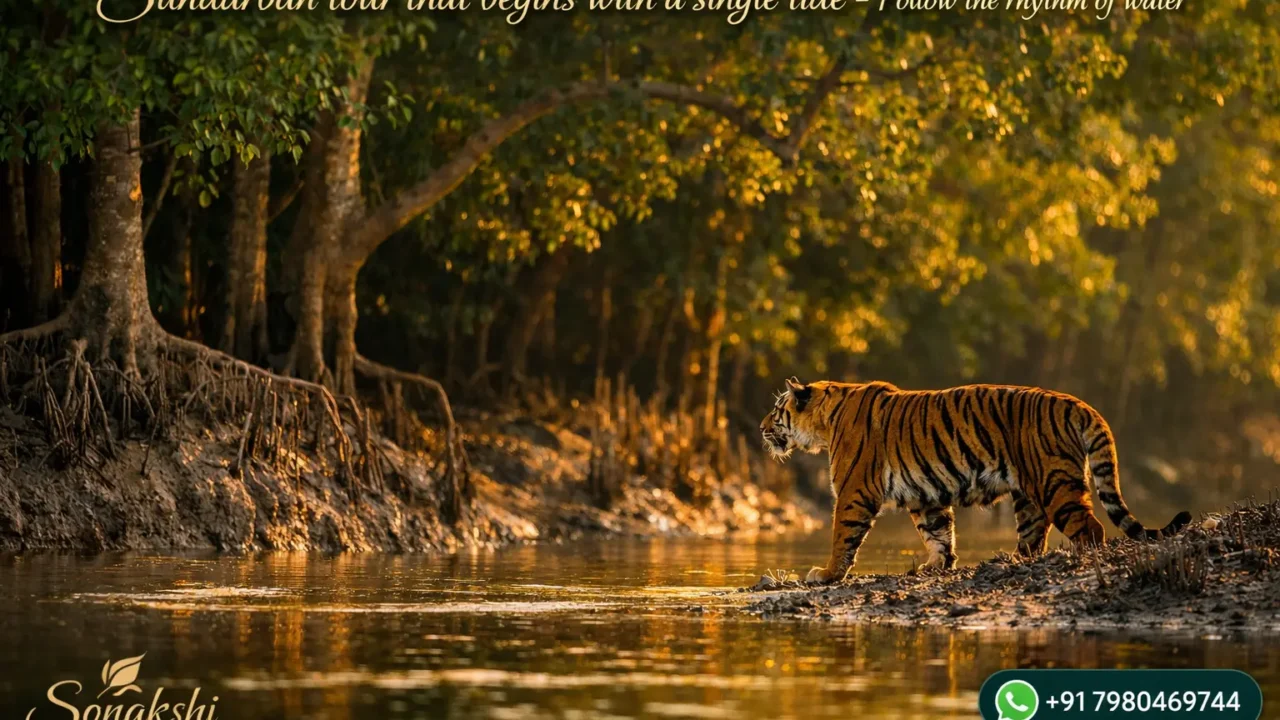
Travelers exploring eastern India’s natural heritage often combine Jaldapara with riverine ecosystems and mangrove forests. For those seeking a contrasting wilderness experience, a guided Sundarban Tour or a curated itinerary through Sundarban Travel circuits offers insight into tidal forests and deltaic biodiversity.
A Journey Beyond Sightseeing
A journey to Jaldapara National Park is not merely a wildlife tour—it is an immersion into ecological time. Here, nature does not perform; it exists. The traveler leaves not with photographs alone, but with a renewed understanding of coexistence, resilience, and silence. From NJP to the heart of the grasslands and back, Jaldapara remains an experience that lingers long after the forest fades from view.