
Ramdhura – A Quiet Himalayan Hamlet Above the Teesta Valley
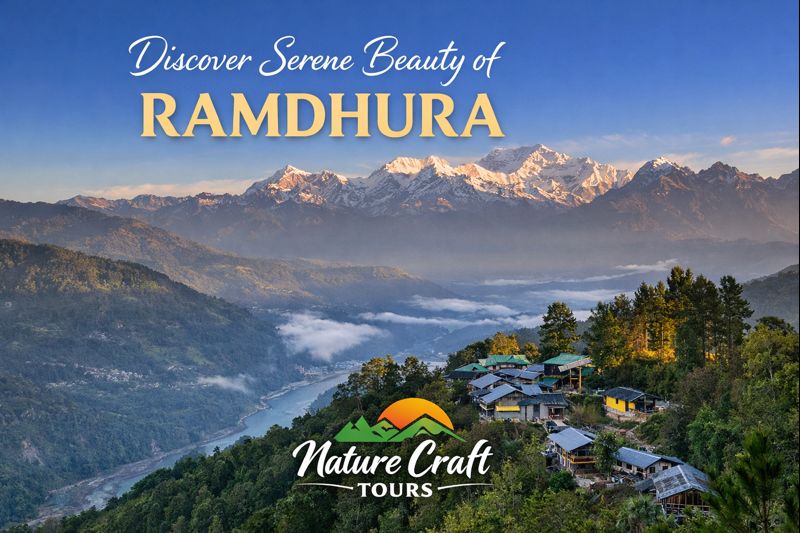
Ramdhura is a small, lesser-known Himalayan village located in the Kalimpong subdivision of West Bengal. Set on a forested ridge above the Teesta River basin, Ramdhura offers a rare combination of panoramic mountain views, pristine silence, and authentic village life. Unlike mainstream hill destinations, this hamlet has not been overtaken by commercial tourism, making it an ideal retreat for travelers seeking slow travel, nature immersion, and cultural simplicity.
Surrounded by pine forests, cardamom plantations, and terraced farmland, Ramdhura is particularly admired for its uninterrupted views of the Eastern Himalayan range, including the snow-clad peaks of Kanchenjunga on clear mornings. The village environment remains deeply rural, where daily life revolves around agriculture, forest produce, and traditional customs passed down through generations.
Geographical Setting and Natural Landscape of Ramdhura
Ramdhura is situated at an approximate altitude of 5,500 feet above sea level. The village lies between Kalimpong town and the Teesta Valley, positioned strategically on a ridge that allows expansive views of the river gorge below and the Himalayan skyline above. The terrain is undulating, with gentle slopes interspersed by forest patches dominated by pine, oak, and rhododendron species.
The surrounding landscape is largely untouched by urban development. Seasonal clouds frequently drift through the village, creating a mist-covered ambience during monsoon and early winter. The area is also rich in birdlife, making it a favored spot for birdwatchers and nature photographers.
Climate Characteristics
Ramdhura experiences a mild and pleasant mountain climate throughout most of the year. Summers remain cool compared to the plains, while winters are cold but not extreme. Morning temperatures can drop significantly in December and January, often accompanied by frost. Monsoon months bring heavy rainfall, enhancing the greenery but occasionally affecting road conditions.
Historical and Cultural Background
The settlement of Ramdhura developed gradually as an agricultural village, with families primarily belonging to Nepali-speaking communities. Over decades, the residents have maintained a harmonious relationship with the surrounding forest ecosystem. Traditional houses made of wood and stone reflect the adaptive architecture suited to mountainous terrain and climate.
Cultural life in Ramdhura is closely linked to seasonal cycles. Festivals such as Dashain, Tihar, and local harvest celebrations are observed with community participation. Visitors often find the warmth and hospitality of local residents to be one of the most memorable aspects of their stay.
Major Attractions and Points of Interest in Ramdhura
Kanchenjunga Viewpoint
One of the most significant highlights of Ramdhura is its unobstructed view of Mount Kanchenjunga. On clear mornings, the entire snow range appears illuminated by golden sunlight. The absence of heavy tourist traffic allows visitors to experience these moments in near silence.
Teesta River Valley Panorama
From several vantage points within the village, travelers can observe the winding Teesta River far below. The contrast between the turquoise river, green forests, and distant hills creates a dramatic visual experience, especially during early morning and late afternoon hours.
Forest Walks and Nature Trails
Short walking trails around Ramdhura pass through pine forests and farmland, offering opportunities to observe local flora, medicinal plants, and bird species. These walks are not structured trekking routes but informal village paths used by residents for daily activities.
Distances from Key Locations
Understanding travel distances helps in planning a smooth journey to Ramdhura:
- Kalimpong to Ramdhura – approximately 15 kilometers
- Siliguri to Ramdhura – approximately 75 kilometers
- Bagdogra Airport to Ramdhura – approximately 80 kilometers
- New Jalpaiguri Railway Station to Ramdhura – approximately 78 kilometers
Road travel in this region is scenic but slow due to hilly terrain. Adequate buffer time should always be planned.
How to Reach Ramdhura
By Air
The nearest airport is Bagdogra Airport in North Bengal. From Bagdogra, travelers must continue by road via Kalimpong. The journey typically takes four to five hours depending on weather and traffic conditions.
By Train
New Jalpaiguri (NJP) Railway Station is the closest major railhead. NJP is well connected to major Indian cities. From the station, hired vehicles or pre-arranged transport are the most convenient options to reach Ramdhura.
By Road
Road access is via Kalimpong town. The final stretch involves a narrow but motorable hill road leading directly to the village. Travelers are advised to prefer daylight travel, especially during monsoon months.
Staying Options in Ramdhura
Accommodation in Ramdhura primarily consists of small homestays and village lodges. These properties are family-run and emphasize simplicity, cleanliness, and home-cooked meals prepared using local ingredients. Rooms are generally modest but comfortable, often offering mountain or valley views.
Electricity supply is stable, though occasional power fluctuations may occur during storms. Internet connectivity is limited, making Ramdhura suitable for digital detox travelers.
Many travelers who explore offbeat Himalayan destinations often combine such serene village stays with broader nature-centric travel experiences, similar in philosophy to eco-based journeys offered under curated Sundarban Tour itineraries, where minimal intrusion and maximum immersion define the experience.
Local Food and Culinary Experience
Meals in Ramdhura are typically prepared using seasonal vegetables grown in kitchen gardens. Staple dishes include rice, lentils, locally sourced greens, and simple meat preparations on request. Fermented foods and traditional pickles are often served, providing insight into regional Himalayan cuisine.
Dining is informal and communal in nature, allowing guests to interact closely with host families and understand local food traditions.
Best Time to Visit Ramdhura
Spring (March to May)
Spring is one of the best seasons to visit Ramdhura. The weather remains pleasant, flowers bloom across forested slopes, and mountain views are frequently clear.
Summer (June to August)
Summer brings monsoon rains, intensifying greenery and misty landscapes. While visually appealing, travel disruptions due to rainfall are possible.
Autumn (September to November)
Autumn offers crisp air, stable weather, and the clearest views of the Himalayan range. This period is considered ideal for photography and relaxed village exploration.
Winter (December to February)
Winters are cold, especially during mornings and nights. However, clear skies often provide excellent mountain visibility. Travelers should be prepared for low temperatures.
Responsible Travel Practices
Ramdhura’s ecological balance depends on responsible visitor behavior. Travelers are encouraged to minimize plastic use, respect local customs, and avoid disturbing wildlife. Supporting local homestays directly contributes to sustainable village livelihoods.
Just as responsible tourism principles are increasingly emphasized in nature-sensitive regions such as the Sundarbans, thoughtfully planned journeys like a Sundarban Tour Package and a stay in Ramdhura share a common philosophy—travel that preserves, rather than consumes, fragile ecosystems.
Why Ramdhura Deserves Attention
Ramdhura represents a vanishing form of Himalayan travel—one defined not by attractions and checklists, but by atmosphere and authenticity. It is a destination where mornings begin with birdsong instead of traffic, and evenings conclude under star-filled skies rather than neon lights.
For travelers seeking solitude, landscape-driven inspiration, and meaningful engagement with mountain communities, Ramdhura offers an experience that remains deeply personal and profoundly calming. It is not a destination for hurried itineraries, but a place best appreciated slowly, with patience and respect for its rhythm.