





How to Choose the Right Sundarban Tour Operator
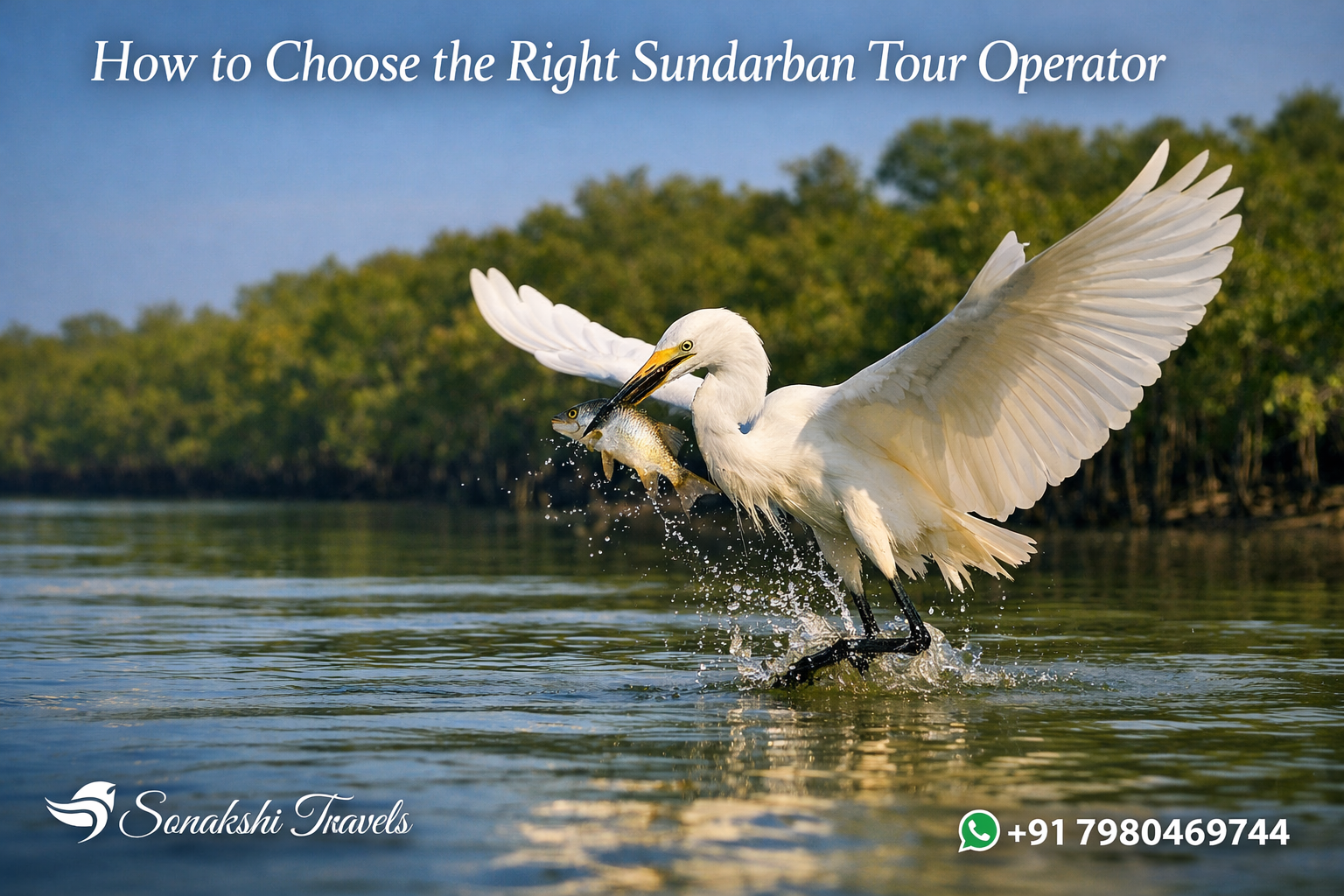
A journey into the Sundarban is not like visiting a city monument or a hill station. It is a tidal mangrove forest where rivers replace roads and the rhythm of the day is shaped by the tide. Boats move through narrow creeks, forest entry points are regulated, and wildlife sightings depend on timing, patience, and experience. If you want a broad, factual overview of how regulated travel works in this region, the reference base on Sundarban Travel helps clarify the landscape before you compare operators.
The quality of your experience, your safety, your comfort, and even your understanding of the forest depend heavily on the operator you select. A well-structured plan feels calm, organized, and respectful of the ecosystem. A poorly managed arrangement can feel rushed, confusing, or unsafe. Choosing carefully does not only protect your schedule. It protects the overall integrity of your time inside a protected mangrove environment.
Understanding What a Sundarban Tour Operator Actually Does
Many travelers assume that a tour operator simply arranges transport and accommodation. In the Sundarban, the role is far more complex. A responsible operator manages forest permissions, coordinates with licensed boat crews, schedules entry timings, arranges trained guides, and ensures compliance with forest department rules that define how visitors move through sensitive zones.
The operator is also responsible for planning routes that align with tidal patterns. Certain creeks are accessible only at specific hours, and watchtower stops need careful timing. If you want to understand the practical framework behind a well-planned Sundarban forest journey, it becomes easier to judge whether an operator is speaking from experience or simply repeating generic promises.
When evaluating options, ask yourself whether the operator demonstrates clear knowledge of these logistical realities. Vague answers, rushed explanations, and overly broad statements are warning signs. The best operators explain details plainly because they handle them daily and understand how small errors can affect the full experience.
Check Licensing, Permissions, and Legal Compliance
The Sundarban is a protected reserve area. Entry into regulated zones requires permits issued through proper channels. Boats must be registered and licensed. Guides must be authorized. These are not minor administrative steps. They are the foundation of lawful, safe movement within a monitored forest ecosystem.
A reliable tour operator will explain how permits are arranged and what documents are required from travelers. They should also describe how forest entry works at checkpoints and watchtower points. When you compare operators, it helps to look at how clearly they define their inclusions within established Sundarban tour packages, because well-structured packages usually reflect stronger operational discipline.
Travelers often overlook this step, especially when booking quickly. However, compliance ensures smoother entry into watchtowers and restricted zones, reduces delays at checkpoints, and signals that the operator takes regulations seriously rather than treating them as optional.
Evaluate the Quality of Boats and Safety Standards
In the Sundarban, boats are your primary mode of transport. The condition of the vessel affects comfort, stability, and safety. Before confirming your booking, ask about the boat type used for your travel dates. Check whether it has adequate seating, shaded deck space, and a clean washroom onboard, especially if you are traveling with elderly family members or children.
Safety equipment is not a luxury. It is a necessity. Life jackets should be available for every passenger and easy to access, not stored out of reach. The crew should be trained, familiar with creeks, and capable of handling changes in tide or weather. A professional operator will not compromise here, because the river is the route and also the risk factor.
If possible, request recent photographs of the boat and the passenger areas. Visual proof often reveals what words may hide. Clean decks, visible safety gear, and organized seating suggest careful management, while crowded layouts or poor maintenance usually indicate that comfort and safety were not priorities.
Assess the Experience and Knowledge of Guides
The Sundarban is a landscape of subtle signs. A deer alarm call, a sudden quietness among birds, or movement near a mudbank can indicate wildlife presence. Without a knowledgeable guide, these patterns are easily missed, and the tour becomes a simple ride through waterways without deeper understanding.
A competent operator works with trained naturalists who understand mangrove ecology, tidal behavior, and animal habits. They should be able to explain what you are seeing in simple language, without exaggeration. When this level of interpretation is present, even ordinary sightings become meaningful because they connect to the larger logic of the ecosystem.
A good guide does not promise rare sightings. Instead, they improve the quality of observation. They teach you to notice crab trails on mudflats, to read bird calls, and to understand why silence is often the best strategy when approaching watchtower zones.
Compare Group Tours and Private Tour Options
Different operators specialize in different formats. Some run fixed departures that suit travelers with limited budgets. Others design private arrangements for families, photographers, or couples who want a quieter pace. The right choice depends on how you prefer to travel and how much control you want over the day.
If you value flexibility, more space, and reduced noise, a private arrangement can make a noticeable difference in comfort and observation quality. For travelers weighing the benefits of a dedicated experience, it helps to review how a curated private Sundarban travel plan is typically structured, because it clarifies what changes when the boat is reserved for one group.
When comparing operators, ensure the inclusions are written clearly. Hidden charges, unclear meal policies, or vague accommodation categories often lead to disputes later. A transparent operator states what is included and what is not, without creating confusion or relying on verbal assurances.
Study Reviews and Reputation Carefully
Online reviews can be useful, but they must be read with care. Focus on patterns rather than isolated comments. If multiple travelers mention punctuality, smooth permit handling, clean boats, and knowledgeable guides, those repeated signals are meaningful because they reflect operational consistency.
At the same time, repeated complaints deserve attention. Delayed departures, poor accommodation hygiene, overcrowded boats, or unclear pricing should not be dismissed. A trustworthy operator maintains stable standards across seasons, not only during peak months when demand is high.
You may also ask for references or recent guest feedback screenshots. Direct feedback can provide practical clarity, especially about real departure timings, meal quality, and guide behavior, which are often the difference between a relaxed trip and an uncomfortable one.
Understand Accommodation Standards and Location
Accommodation in the Sundarban ranges from basic lodges to premium resorts. The location of the stay matters because it affects travel time between jetties, watchtowers, and forest channels. Clean rooms, proper ventilation, hygienic dining, and reliable electricity significantly shape comfort after long hours on the river.
Ask whether electricity is available throughout the night, whether hot water is provided, and whether meals are freshly prepared on-site. A responsible operator describes accommodation honestly and matches promises with actual facility standards. Overstated claims often signal that expectations may not be met on arrival.
Simple, well-managed lodges can feel more authentic than overpromised setups that fail to deliver. In a tidal forest setting, cleanliness, calm surroundings, and basic comfort usually matter more than decorative extras that do not improve the real travel experience.
Look for Clear Communication and Transparent Pricing
Professional communication reflects organizational discipline. The operator should provide a detailed itinerary, cost breakdown, and clear inclusions and exclusions. Transport from Kolkata, forest entry fees, guide charges, and meal plans should be specified so you can compare options without guesswork.
Transparent pricing avoids misunderstandings. If an operator provides only a total figure without explaining components, ask for clarity. A credible operator explains what the amount covers, how many meals are included, what boat category is used, and whether permits are part of the cost.
Timely responses also matter. Slow or inconsistent replies before booking often indicate future coordination problems. In a destination that depends on permit timing and river scheduling, organized communication is not a small detail. It is a practical necessity.
Consider Environmental Responsibility
The Sundarban is a fragile ecosystem where responsible tourism is essential. Observe whether the operator emphasizes waste management, discourages plastic use, and encourages quiet, respectful wildlife viewing. Ethical behavior protects both animals and travelers, and it reduces disturbance in an environment where many species avoid human noise.
Engines should not be unnecessarily revved near wildlife zones. Loud music on boats is inappropriate and often disrupts bird movement in narrow creeks. A thoughtful operator understands that conservation and tourism must coexist carefully, and their rules onboard should reflect that balance.
If you are planning a short itinerary, it is worth checking whether the operator follows sensible routing and timing rather than rushing through watchtowers. A well-planned single-day Sundarban tour can still feel respectful when the operator prioritizes calm movement and realistic time windows.
A Small Story from the River
A family once booked their trip based only on price. The boat was overcrowded, the guide offered little explanation, and watchtower visits were rushed because the schedule had not accounted for tidal timing. They returned home disappointed, feeling that the forest had remained distant and unclear.
The following year, they chose differently. They asked detailed questions, verified permit handling, and selected an operator known for smaller group sizes and careful routing. The difference was immediate. The boat moved quietly through creeks. The guide pointed out fishing cat tracks along a mudbank and explained why certain birds gather where the current bends. They waited patiently at a watchtower as spotted deer grazed below. Nothing dramatic happened, yet the experience felt complete.
The forest had not changed. The planning had.
A Reflection on Choosing Wisely
Choosing the right Sundarban tour operator is not about luxury alone. It is about structure, safety, ecological respect, and meaningful interpretation. The mangrove forest does not reveal itself quickly. It requires patience, discipline, and informed planning that aligns with tides, permits, and regulated entry points.
When you select an operator who understands these values, your journey becomes smoother. Permits are handled without confusion. Boats move at the right pace. Guides explain the forest in a grounded way. You begin to notice the silence between bird calls and the slow rise of tide against mangrove roots, which is often the real signature of this landscape.
Before you confirm your reservation, pause and evaluate. Ask questions. Compare thoughtfully. Read beyond advertisements. A well-chosen operator does more than arrange travel. They create the conditions for a safe, respectful, and memorable encounter with one of the world’s most remarkable mangrove ecosystems.