





Complete Plan for Sundarban Hilsa Festival 2026 – Step-by-step travel blueprint
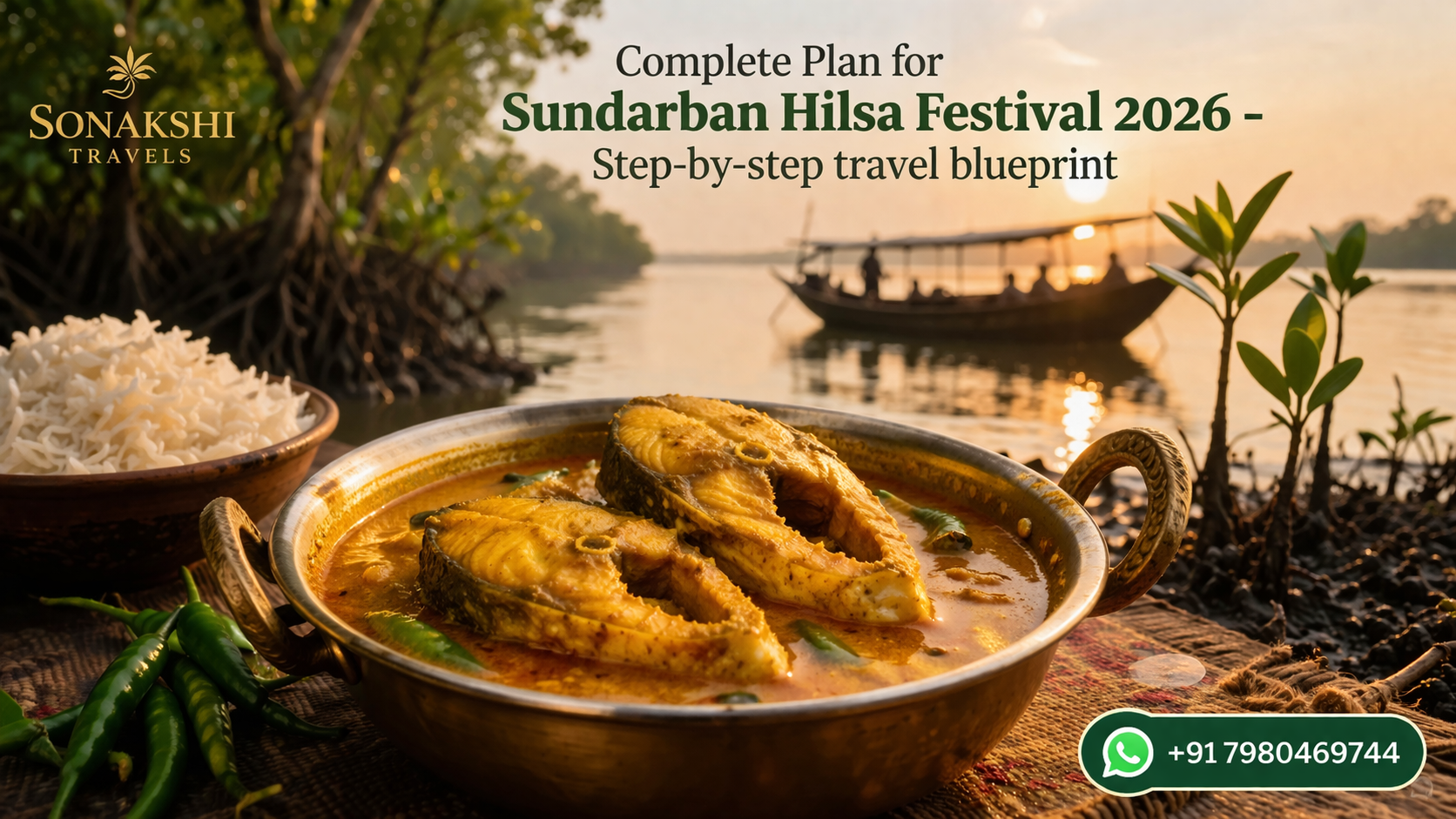
A good trip becomes easier when the plan is clear before the journey begins. This is especially true for a seasonal food-and-river experience like the Sundarban Hilsa Festival 2026. Many people hear about hilsa in the Sundarban and think only about the meal. In reality, the trip needs a proper order. You must think about travel timing, route, stay, boat comfort, food planning, crowd level, weather, and the pace of the full journey. Without a step-by-step plan, even an exciting festival trip can become rushed, tiring, and less meaningful.
This article is a complete travel blueprint for people who want to experience the festival in a calm, structured, and practical way. It is written for travelers who do not want confusion at the booking stage or disorder during the actual tour. If your goal is to enjoy hilsa, the river, the mangrove mood, and a smoother standard of travel, then the idea behind Sundarban Hilsa Festival 2026 luxury tours becomes very important. The journey is not only about reaching the destination. It is about how well each part of the trip is arranged from the beginning.
Understand the real shape of the trip before you book
The first step is to understand what kind of travel this festival actually requires. A Sundarban hilsa trip is not the same as a simple restaurant visit or a city-based food event. It is a combined experience of river travel, regional food culture, delta landscape, and time-sensitive seasonal planning. That means your trip must be built around movement as well as taste.
The most sensible way to approach this festival is to think in layers. The first layer is transport from Kolkata or your starting point. The second layer is the transfer to the jetty and then to the boat. The third layer is stay quality, meal arrangement, and rest. The fourth layer is the hilsa-focused experience itself, which may include fresh preparations, regional cooking styles, and a stronger sense of place. This is why many travelers now prefer a plan shaped around comfort travel, because the experience improves when the body is not under pressure.
The URL itself gives a useful clue. The phrase “experience hilsa in comfort” should not be treated as decoration. It points to an important truth. If the travel structure is better, your attention stays on the festival, the food, and the river atmosphere rather than on avoidable strain.
Step one: choose the right travel window
The festival title may attract excitement, but dates matter more than excitement. When planning for the hilsa festival tour, your first decision should be the travel window. You should avoid choosing dates only on personal convenience if those dates create heavy crowd pressure or poor movement quality. A festival journey becomes more enjoyable when your arrival, stay, and return are balanced.
It is wise to select a date range that allows early departure, daylight transfer, and enough rest on the first day. Travelers often make the mistake of compressing everything into one rushed timeline. They leave late, reach tired, board in haste, and then expect to enjoy the river and food immediately. A better blueprint gives the body time to settle.
When planning your window, think about three things together: road transfer time, boat boarding time, and meal schedule. If these do not match smoothly, the entire rhythm of the trip suffers. For this reason, a structured schedule is always better than an impulsive one.
Step two: decide the ideal trip duration
The next step is to choose the correct duration. A short trip may sound efficient, but a Sundarban food travel plan needs enough time for movement and recovery. A one-day plan can feel too tight because the travel effort becomes larger than the experience itself. A better option is usually an overnight or multi-day journey where the festival element can be enjoyed without hurry.
A two-day or three-day structure works well because it creates room for transfer, river travel, proper meal timing, and a more relaxed appreciation of the delta. It also allows the hilsa-focused experience to feel natural rather than forced into a narrow time frame. If you want a more refined version of the journey, then the logic behind experience hilsa in comfort becomes even stronger. Comfort is not only about rooms or boats. It is also about allowing enough time for the trip to unfold properly.
Step three: select the right route and transfer style
After fixing the travel window and duration, the next part of the blueprint is route design. A Sundarban festival trip usually includes road travel up to the embarkation point and then boat transfer through the river system. Because of this mixed travel pattern, you must think about the handover between one mode of movement and the next.
A weak plan often ignores transition time. A strong plan protects it. You should know your pickup point, departure hour, estimated road duration, boarding point, luggage handling process, and expected meal break. When these details are unclear, even a premium booking can feel disorganized.
The better approach is to keep the route simple and well sequenced. Leave early enough to avoid road stress. Reach the jetty with enough margin. Board without hurry. Let the river journey begin with calm rather than confusion. This sounds basic, but it changes the full tone of the festival experience.
Step four: choose the right level of stay and boat comfort
This step matters more than many people first realize. The title of this article says “complete plan,” and no complete plan can ignore stay quality and onboard conditions. A festival centered on food and regional experience becomes much better when the traveler can rest well, freshen up properly, and sit comfortably during transfer and sightseeing periods.
When comparing options, look beyond the surface price. Ask what kind of room is offered, how meals are served, how clean the washroom arrangements are, whether the boat has enough space, and whether the pace of the program is built for comfort or only for volume. The difference between an ordinary plan and a thoughtful one often appears here.
Step five: build the food plan, not just the booking plan
Many travelers make one more mistake. They book the tour but do not plan the food side of the journey in any serious way. Since this festival is centered on hilsa, the meal experience should be treated as a core part of the blueprint. You should understand whether the trip includes one signature hilsa meal or several preparations across the stay. You should also ask how the food is timed.
A strong food plan usually considers freshness, cooking order, serving quality, and digestion. If a heavy meal is placed badly inside the schedule, it can reduce comfort during later movement. If the menu is too repetitive, the festival mood may weaken. A thoughtful plan gives variety while keeping the traveler comfortable.
The value of a good festival trip is not in excess. It is in balance. The joy of hilsa cuisine is strongest when the preparation is meaningful, the serving moment is calm, and the wider travel atmosphere supports the meal. The most memorable journeys are often the ones where food, water, light, and rest feel connected.
Step six: keep the itinerary realistic and breathable
Once the major parts are chosen, you need to shape the daily schedule. This is where travelers often become overambitious. They want too many movement points, too many activities, and too many fixed hours. The result is a hard itinerary that leaves little room for real enjoyment.
A better blueprint leaves breathing space. The first day should focus on departure, transfer, arrival, settling in, and one smooth introduction to the river environment. The middle part of the journey can hold the main hilsa-focused experience, scenic travel, and light exploration. The final part should allow a clean return without panic.
In a river destination, flexibility has practical value. Water movement, boarding rhythm, meal service, and local pace do not always behave like city schedules. A realistic itinerary respects that truth. It avoids turning the festival into a mechanical checklist.
Step seven: pack with purpose, not in excess
A proper travel blueprint also includes packing logic. Since this is a mixed road-and-river journey, luggage should be manageable, not heavy and chaotic. Carry light, breathable clothing, one extra set for comfort, basic personal medicines, simple footwear, identity proof, and phone charging support. During a food-focused trip, it is also wise to carry what helps your body remain comfortable, including drinking water habits and any personal dietary support you normally use.
The goal is not to overpack. The goal is to remove friction. Every extra burden becomes more noticeable when movement involves transfer points and boat boarding. A clean packing plan supports a clean travel experience.
Step eight: understand who this trip suits best
Not every traveler expects the same thing from the festival. Some want culinary focus. Some want scenic calm. Some want a family trip with good meal value. Some want a refined and peaceful couple journey. Your planning becomes stronger when you define the travel style clearly before booking.
For families, comfort and timing matter deeply. For senior travelers, transfer ease and rest matter even more. For couples, privacy and atmosphere may become a priority. For food-focused travelers, the meal structure and overall quality of preparation become central. A complete plan always asks one question: who is this trip being designed for?
This is one reason the idea of a more curated festival experience has become so attractive. Travelers are no longer satisfied with reaching the destination alone. They want the journey to match their real needs. In that sense, a well-shaped Sundarban Hilsa Festival 2026 travel plan is not a luxury in the shallow sense. It is often a practical decision that protects the quality of the whole trip.
Step nine: book early, but review the structure carefully
Early booking is helpful, but speed should not replace clarity. Before you confirm the package, review the full structure. Check the travel duration, transport flow, room category, meal pattern, likely boat standard, and how the festival element is actually included. Do not assume that all festival packages are designed with the same level of care.
The right booking is not always the one that sounds biggest. It is the one that fits your purpose best. Read the plan as a sequence, not as a headline. Ask yourself whether the journey looks smooth from start to finish. If the answer is yes, the booking is more likely to deliver satisfaction.
Step ten: arrive with the right mindset
The final step in the blueprint is mental, not logistical. A festival in the Sundarban should not be approached with a rushed tourist mind. It should be approached with patience. The river landscape has its own rhythm. The food experience becomes richer when the traveler is not trying to force constant activity.
Arrive ready to notice sequence. Notice how the city falls away during the route. Notice how the river journey changes the pace of the day. Notice how food feels different when linked to place. Notice how comfort changes perception. This is the deeper value of a complete plan. It allows the traveler to remain present.
Why a step-by-step blueprint matters for this festival
At first glance, some people may think such planning is too detailed. In truth, detailed planning is exactly what protects the beauty of a time-sensitive travel experience. The Sundarban Hilsa Festival 2026 is not only about eating a famous fish. It is about entering a specific environment with enough order to enjoy what that environment offers.
Without a blueprint, the trip can become fragmented. With a blueprint, each part supports the next. The road transfer supports the boarding. The boarding supports the river mood. The river mood supports the meal experience. The stay supports recovery. The full sequence supports memory.
That is why the best festival journeys are rarely accidental. They are designed with care. They understand that travel comfort, schedule quality, and food experience are not separate matters. They are parts of one complete structure.
Final travel view
If you are planning this journey for 2026, the smartest approach is to think early, book wisely, and keep the structure simple. Choose a travel window that allows ease. Select a duration that gives the experience enough room. Build the route carefully. Prefer better comfort where it truly improves the journey. Understand the food plan. Keep the itinerary breathable. Pack lightly. Match the trip to the traveler. Review the booking with care.
When these steps come together, the festival becomes more than an event on a calendar. It becomes a well-shaped river journey with taste, pause, atmosphere, and order. That is the real meaning of a complete plan. It does not remove the charm of the trip. It protects it.