
Rongbull-
A Serene Himalayan Hamlet Between Darjeeling and the Clouds
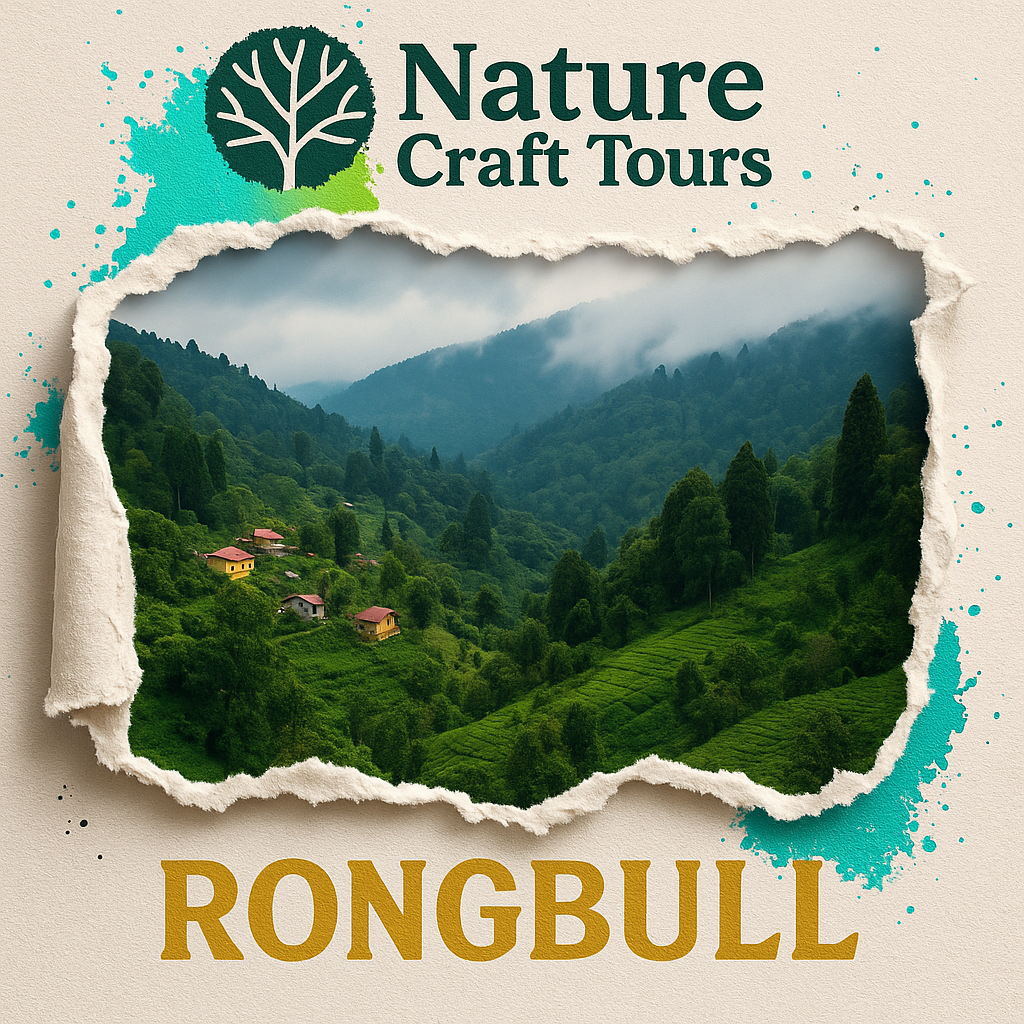
Nestled amid the emerald folds of the Eastern Himalayas, Rongbull stands as one of the most serene and untouched gems of the Darjeeling region. Positioned gracefully on the slopes that descend from Ghoom and ascend towards Kurseong, this small yet deeply soulful village has recently emerged as an offbeat destination for travellers seeking solitude, mountain purity, and authentic Himalayan life. Rongbull is not merely a stopover between Darjeeling and Siliguri; it is a place where nature whispers in calm tones, where mist settles like poetry over the forests, and where every dawn arrives with a symphony of cicadas, bamboo leaves, and distant Kanchenjunga hues.
This extensive travel guide explores Rongbull’s natural beauty, cultural fabric, significant viewpoints, major distances, access routes, stay options, and best seasons. It also acts as a scholarly interpretation of Rongbull’s geography and socio-ecological importance, ensuring readers receive a complete, research-enhanced representation of the region.
Overview of Rongbull
Rongbull is located at an elevation of approximately 5,000 feet, making it an ideal climatic belt where cool breezes from alpine forests blend with the warmth of subtropical valleys. The village lies along National Highway 55 (the Hill Cart Road), surrounded by dense forests of oak, birch, pine, and magnolia. Tea gardens stretch across the slopes, and small streams originating from higher ridges feed into the legendary Balason River.
Its geographical coordinates place Rongbull close to Darjeeling’s iconic viewpoints, yet far enough from the crowd to preserve its slow, mountain-village rhythm. This tranquil balance between accessibility and peacefulness makes Rongbull an outstanding alternative to mainstream hill destinations.
Important Places to See in and Around Rongbull
Though Rongbull is not a bustling tourist town, it offers several enchanting experiences rooted in natural beauty, rural life, and Himalayan ecology. Each place around Rongbull has its own atmospheric charm, making the region perfect for long stays, nature photography, birdwatching, and contemplative travel.
Rongbull Forest Trails
The dense forested tracts surrounding Rongbull offer captivating walking trails for nature enthusiasts. Moss-covered rocks, towering pine trees, wild orchids clinging to branches, and distant whistles of the Himalayan whistling thrush create an immersive woodland ambience. These trails are ideal for morning walks, birdwatching, and slow exploration.
Triveni Viewpoint
Located a short drive away, Triveni is where the Teesta and Rangeet rivers meet in a dramatic confluence. The emerald and deep-blue shades of the two Himalayan rivers merging against a backdrop of forested hills create an awe-inspiring vista. The viewpoint is especially beautiful during early morning light when the valley glows with sunrise reflections.
Sonada
Only a short drive from Rongbull, Sonada is home to the beautiful St. Mary’s Hill Church and the Tiger Hill connecting road. The village is culturally rich, with Tibetan Buddhist influences and monasteries that offer quiet spaces for meditation. Its high-altitude surroundings also provide sweeping mountain views.
Kurseyong Tea Gardens
Samrik, Ambootia, and Castleton tea estates near Rongbull offer panoramic views of tea-clad slopes. Visitors can stroll through plantations, experience tea plucking, learn about processing, and enjoy cups of aromatic Darjeeling tea freshly brewed at estate outlets.
Darjeeling Himalayan Railway (DHR) Route
The UNESCO-recognized Darjeeling Himalayan Railway passes near Rongbull, making it a historic attraction for visitors. Travellers often wait near the Rongtong and Sonada stations to photograph the iconic narrow-gauge train against the Himalayan backdrop. This heritage railway holds significant cultural and architectural value and is documented extensively in heritage archives and Wikipedia.
Bara Mangwa and Chota Mangwa Eco-Village Regions
Just beyond the valley lies the Mangwa region, celebrated for its orange orchards, eco-homestays, and stunning views of the Teesta valley. Travelling from Rongbull to these eco-villages is a delightful experience as the road curves past forests, farmlands, and panoramic ridgelines.
Darjeeling Town (Nearby)
Darjeeling town is approximately 13 km from Rongbull. Travellers can easily visit Tiger Hill, Ghoom Monastery, Batasia Loop, Himalayan Mountaineering Institute, Padmaja Naidu Himalayan Zoological Park, and Chowrasta Mall while staying in Rongbull’s quieter environment.
Major Distances from Rongbull
- Rongbull to Darjeeling Town: 13–14 km
- Rongbull to Kurseong: 15 km
- Rongbull to Sonada: 7 km
- Rongbull to Bagdogra Airport: 58–62 km
- Rongbull to NJP Railway Station: 55–60 km
- Rongbull to Ghoom: 10 km
- Rongbull to Triveni Viewpoint: 22–25 km
- Rongbull to Lamahatta: 18–20 km
These distances make Rongbull central and very convenient for exploring both upper and lower Darjeeling hills. Its placement along NH-55 ensures smooth connectivity while safeguarding it from urban congestion.
How to Reach Rongbull
Rongbull is well-connected by road and is reachable throughout the year. Travellers can reach Rongbull from Siliguri, Darjeeling, and Kalimpong by a combination of state-run buses, shared jeeps, private cars, and specialized hill vehicles.
By Air
The nearest airport is Bagdogra Airport, approximately 60 km away. After landing, travellers can hire a cab toward Darjeeling via the Hill Cart Road and reach Rongbull within 2–2.5 hours depending on traffic and weather.
By Rail
New Jalpaiguri (NJP) Railway Station is the main railhead offering connections to major Indian cities. From NJP, travellers can board private jeeps or reserved vehicles for Rongbull. The journey usually takes around 2 hours.
By Road
State buses and private vehicles operate regularly towards Darjeeling. Rongbull lies directly along NH-55, making road travel exceptionally smooth. The route is scenic, featuring misty forests, tea gardens, and occasional glimpses of snow-clad ranges.
Travellers looking for detailed route maps and tourism updates can also refer to the official West Bengal Tourism portal: West Bengal Tourism.
Staying Options in Rongbull
Accommodation in Rongbull is dominated by boutique homestays, hillside cottages, and eco-lodges. Most properties are built in traditional wooden architecture, offering sweeping views of forests or tea gardens. Although hotel contact numbers are not included, the following categories represent the general stay options available:
Eco-Friendly Homestays
These properties offer immersive stays close to nature, with organic meals, warm hospitality, and serene surroundings. Many homestays are situated atop ridges or mid-slopes providing unhindered vistas.
Hillside Cottages
Ideal for families and couples seeking privacy, hillside cottages come with private balconies, gardens, and panoramic viewpoints. Wooden interiors, modern amenities, and peaceful ambience make them popular among travellers.
Tea Garden Bungalows
Some tea estates around Rongbull offer restored colonial bungalows that combine heritage architecture with updated facilities. Staying in such bungalows allows visitors to experience tea culture from within the estate environment.
Budget Guesthouses
For travellers seeking affordability, several small guesthouses near the main road provide basic yet comfortable accommodation with views of the valley.
Local Culture and Lifestyle
Rongbull reflects the harmonious coexistence of Nepali, Lepcha, and Bengali communities. The culture here is interwoven with agricultural traditions, religious festivals, and a deep respect for nature. The local population primarily cultivates vegetables, seasonal fruits, and tea leaves, contributing to the sustainable economy of the hills.
Folk music, Buddhist chants from nearby monasteries, and traditional dances often accompany local celebrations. Villagers maintain close ties, making Rongbull a warm and welcoming destination for those who appreciate native Himalayan culture.
Flora, Fauna, and Natural Ecology
Rongbull lies in a biodiversity-rich zone where subtropical and temperate vegetation blends seamlessly. The forests host numerous species such as rhododendron, bamboo, magnolia, oaks, and wildflowers. During spring, the slopes bloom in vibrant colours, creating magnificent landscapes. Birdwatchers can spot species like the Himalayan bulbul, scarlet minivet, blue whistling thrush, and the elusive mountain hawk-eagle.
The region’s streams and forested rivers contribute to the Balason watershed, a critical ecological zone. Sustainable tourism is essential in preserving Rongbull’s delicate natural balance.
Best Time to Visit Rongbull
Rongbull can be visited throughout the year due to its moderate climate, but each season offers a unique charm:
Spring (March–May)
This is one of the best seasons for visiting Rongbull. The forest bursts into new colours, the weather stays comfortably cool, and the sky often remains clear, providing excellent views of the Kanchenjunga range.
Autumn (October–November)
Autumn offers crisp air, clear horizons, and vibrant landscapes. This period is ideal for photography, adventure walks, and long drives through the forests.
Winter (December–February)
Rongbull experiences chilly winter nights and cool days. Occasional winter mist creates an enchanting, dreamlike setting. Travellers who enjoy quietness and solitude particularly appreciate winter’s serene ambience.
Monsoon (June–September)
Monsoon turns Rongbull into a lush green paradise, with mist drifting across forests and waterfalls flowing vigorously. Roads may be slippery, but monsoon lovers find this season deeply poetic.
Suggested Travel Itinerary for Rongbull
- Day 1: Arrive at Rongbull → Forest walk → Tea garden exploration → Sunset viewpoint near homestay
- Day 2: Visit Darjeeling town → Batasia Loop → Tiger Hill → Ghoom Monastery → Mall Road
- Day 3: Drive to Triveni → Sonada monastery circuit → Return to Rongbull for leisure
- Day 4: Explore Mangwa region → Orange orchards → Eco-village tour → Return
A Note on Nearby Experiences
Travellers seeking extended journeys in the Eastern Himalayas often explore other destinations such as Lamahatta, Tinchuley, Takdah, and Jhepi villages from Rongbull. For those looking for delta-based adventures, the Sundarban Travel experiences offer an entirely different yet equally captivating landscape of mangrove forests and riverine biodiversity.
Conclusion
Rongbull is a destination that invites travellers to pause, breathe, and reconnect with nature. Its gentle winds, green slopes, tea gardens, forested trails, and panoramic ridgelines create a sanctuary of calmness away from urban life. Whether one is a photographer, writer, nature enthusiast, or a weary traveller searching for solace, Rongbull offers an experience that is authentic, soothing, and profoundly enriching.
As the world seeks quieter and more meaningful travel experiences, Rongbull stands out as a priceless Himalayan retreat—untouched, unhurried, and unforgettable.