




Margaret’s Hope Tea Slopes – A Timeless Landscape of Darjeeling’s Tea Heritage
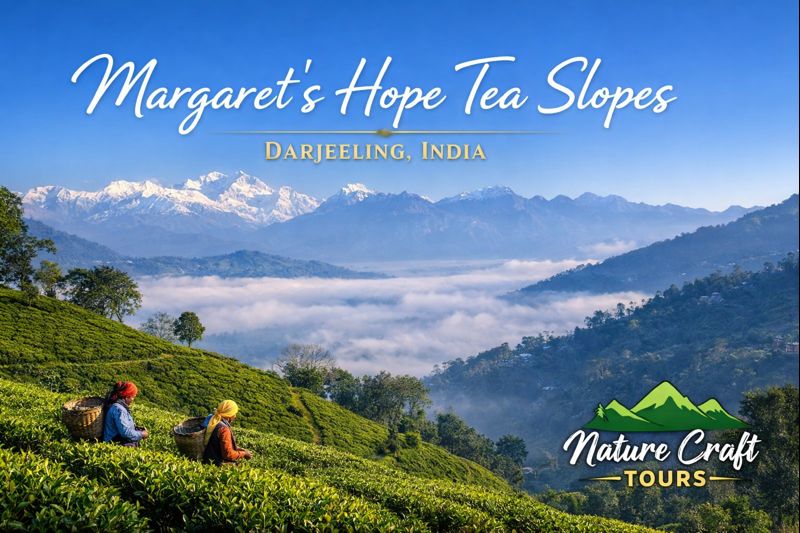
Margaret’s Hope Tea Slopes represent one of the most historically significant and visually captivating tea landscapes of the Darjeeling hills. Located along the gentle ridgelines near Kurseong and Sonada, these slopes are part of the renowned Margaret’s Hope Tea Estate, a name that resonates deeply with Darjeeling’s colonial-era tea legacy. Unlike crowded viewpoints or commercial town centers, this region offers an immersive experience where rolling tea bushes, mist-draped valleys, and century-old planter stories come together in quiet harmony.
The tea slopes are not merely agricultural land; they are living cultural corridors shaped by geography, climate, labor traditions, and global trade history. Walking along these emerald-green contours, visitors witness the rhythm of tea plucking, the seasonal transformations of the plantation, and panoramic views of forested valleys that stretch towards the plains of North Bengal. For travelers seeking refined offbeat experiences in Darjeeling, Margaret’s Hope Tea Slopes provide an atmosphere of contemplative beauty rather than hurried sightseeing.
Historical Background of Margaret’s Hope Tea Estate
The Margaret’s Hope Tea Estate traces its origins to the British colonial period, when Darjeeling emerged as one of the world’s premier high-altitude tea-producing regions. The estate was originally known as Bara Ringtong, later renamed Margaret’s Hope in memory of Margaret, the daughter of an estate manager who tragically passed away at a young age. The name itself reflects the deeply personal histories embedded within Darjeeling’s plantation culture.
Over the decades, the estate gained international recognition for producing fine orthodox teas, particularly first flush and second flush varieties that command high value in global markets. The tea slopes surrounding the factory form the visual heart of the estate, where traditional cultivation techniques continue alongside modern quality controls. These slopes have remained largely unchanged in character, preserving an authentic plantation environment rarely found elsewhere.
Geographical Setting and Natural Surroundings
Margaret’s Hope Tea Slopes are situated at elevations ranging roughly between 3,500 and 4,500 feet above sea level. This altitude plays a critical role in shaping the flavor profile of the tea, as well as the scenic charm of the region. The slopes unfold gradually along hill contours, interspersed with shade trees, narrow footpaths, and seasonal streams.
The surrounding landscape includes dense mixed forests, small plantation villages, and distant views of Kurseong town on clear days. Early mornings often reveal layers of mist floating above the tea gardens, while afternoons bring soft sunlight that enhances the vibrant green tones of the bushes. During winter months, visibility improves significantly, offering long-distance views towards the Terai plains.
Important Points to See Around Margaret’s Hope Tea Slopes
Tea Plucking Sections
One of the most engaging sights along the tea slopes is the active plucking sections, where skilled workers carefully hand-pluck the top two leaves and a bud. Observing this process provides insight into the labor-intensive methods that define Darjeeling tea quality. Visitors are advised to maintain respectful distance and avoid disrupting work routines.
Estate Pathways and Ridge Walks
The narrow pathways that weave through the slopes offer gentle walking opportunities. These routes are ideal for unhurried exploration, photography, and appreciating the layered topography of the plantation. The ridge paths often lead to elevated vantage points overlooking multiple sections of the garden.
Colonial-Era Bungalows (Exterior Views)
Scattered across the estate are heritage planter bungalows, many dating back to the early twentieth century. While access to interiors may be restricted, the exteriors themselves reflect classic colonial architecture adapted to mountain conditions, featuring sloping roofs, wooden verandas, and stone foundations.
Natural Water Channels and Forest Edges
Seasonal streams and forest fringes add ecological diversity to the tea slopes. These natural elements contribute to soil health and create microhabitats for birds and insects. Nature enthusiasts may spot Himalayan bird species along these quieter edges of the estate.
Major Distances from Margaret’s Hope Tea Slopes
Understanding distances is essential for planning a comfortable visit to this region. Approximate road distances include:
- Darjeeling town: approximately 20 kilometers
- Kurseong: approximately 6 kilometers
- Sonada: approximately 4 kilometers
- Siliguri: approximately 45 kilometers
- Bagdogra Airport: approximately 50 kilometers
- New Jalpaiguri Railway Station: approximately 48 kilometers
These distances may vary slightly depending on the exact access point used to reach the tea slopes, as the estate spans a considerable area across the hills.
How to Reach Margaret’s Hope Tea Slopes
By Air
The nearest airport is Bagdogra, which is well-connected to major Indian cities. From Bagdogra, travelers can hire private vehicles or shared taxis towards Kurseong. The drive ascends gradually through forested hills, offering scenic views along the way.
By Rail
New Jalpaiguri Railway Station serves as the primary railhead for this region. From NJP, road transport is the most practical option. While the Darjeeling Himalayan Railway offers a heritage journey, it is better suited for leisure travel rather than direct access to the tea slopes.
By Road
Road access via NH-110 connects Siliguri to Kurseong and Darjeeling. Travelers can disembark near Kurseong or Sonada and proceed towards Margaret’s Hope Tea Estate via local roads. Road conditions are generally stable, though landslides may affect travel during heavy monsoon periods.
For travelers combining hill destinations with delta or forest experiences, curated itineraries often include Darjeeling alongside destinations such as the Sundarban Tour, offering a diverse geographical contrast within West Bengal.
Staying Options Near Margaret’s Hope Tea Slopes
Heritage Tea Bungalows
Select colonial-era bungalows within or near the estate have been adapted into heritage stays. These properties emphasize period architecture, landscaped gardens, and quiet surroundings. They are suitable for travelers seeking immersive plantation experiences.
Boutique Hill Retreats
Around Kurseong and Sonada, several boutique accommodations provide comfortable lodging with scenic views. These properties often focus on personalized service, regional cuisine, and proximity to nature rather than urban luxury.
Eco-Stays and Homestays
Eco-friendly stays and family-run homestays are increasingly popular in nearby villages. These options offer cultural interaction, home-cooked meals, and a slower pace of life, aligning well with the tranquil character of the tea slopes.
Accommodation planning becomes especially seamless when Darjeeling hill stays are integrated with nature-focused journeys such as a Sundarban Travel experience, balancing mountains and mangroves within a single travel circuit.
Best Time to Visit Margaret’s Hope Tea Slopes
Spring (March to April)
Spring marks the first flush tea season, when fresh leaves emerge after winter dormancy. The slopes appear vibrant, and weather conditions remain pleasant, making it an excellent time for photography and walks.
Summer (May to June)
Early summer offers comfortable temperatures and clear mornings. This period also corresponds with increased tea activity, allowing visitors to observe estate operations at their peak.
Monsoon (July to September)
The monsoon transforms the slopes into deep green expanses, though frequent rain and occasional landslides may restrict movement. This season suits travelers who appreciate solitude and dramatic landscapes, provided travel plans remain flexible.
Autumn (October to November)
Autumn provides stable weather, crisp air, and excellent visibility. The post-monsoon clarity enhances long-distance views and creates ideal conditions for leisurely exploration.
Winter (December to February)
Winter brings cooler temperatures and quieter surroundings. While tea activity slows, the serene atmosphere and mist-free days appeal to travelers seeking calm retreats away from crowds.
Responsible Travel Guidelines
Visitors are encouraged to respect plantation regulations, avoid littering, and seek permission before photographing workers. Staying on designated paths helps preserve both safety and agricultural integrity. Supporting local accommodations and services contributes directly to the sustainability of the region.
Why Margaret’s Hope Tea Slopes Deserve a Place in Your Darjeeling Journey
Margaret’s Hope Tea Slopes encapsulate the essence of Darjeeling beyond its bustling promenades and tourist hubs. They represent continuity—of land, labor, and legacy—where history unfolds quietly amid natural beauty. For discerning travelers, photographers, researchers, and those who value cultural landscapes, these slopes offer a deeply enriching experience rooted in authenticity.
Whether approached as a standalone retreat or woven into a broader itinerary across North Bengal, Margaret’s Hope Tea Slopes stand as a reminder that the true soul of Darjeeling often resides in its quieter, greener spaces.